
US Scientists Use AI to Predict Coastal Flooding
More than half of the US population lives in coastal cities or counties, which generate 58% of the country's gross domestic product. These coastal communities and infrastructure are especially vulnerable to wind and flooding caused by tropical storms, hurricanes and torrential rains.
Using artificial intelligence and machine learning (AI/ML) methods, Hartmut Kaiser, a professor in the Department of Computer Science at LSU (Louisiana State University), is working on improving flood preparedness and mitigation.
Kaiser, who is also a senior researcher at the LSU Center for Computation and Technology, became a co-investigator on the project together with a group of scientists from the University of Texas at Austin (Clint Dawson), the University of Notre Dame (Joannes Westerink) and the Lawrence Berkeley National Laboratory (Ruby Leung).
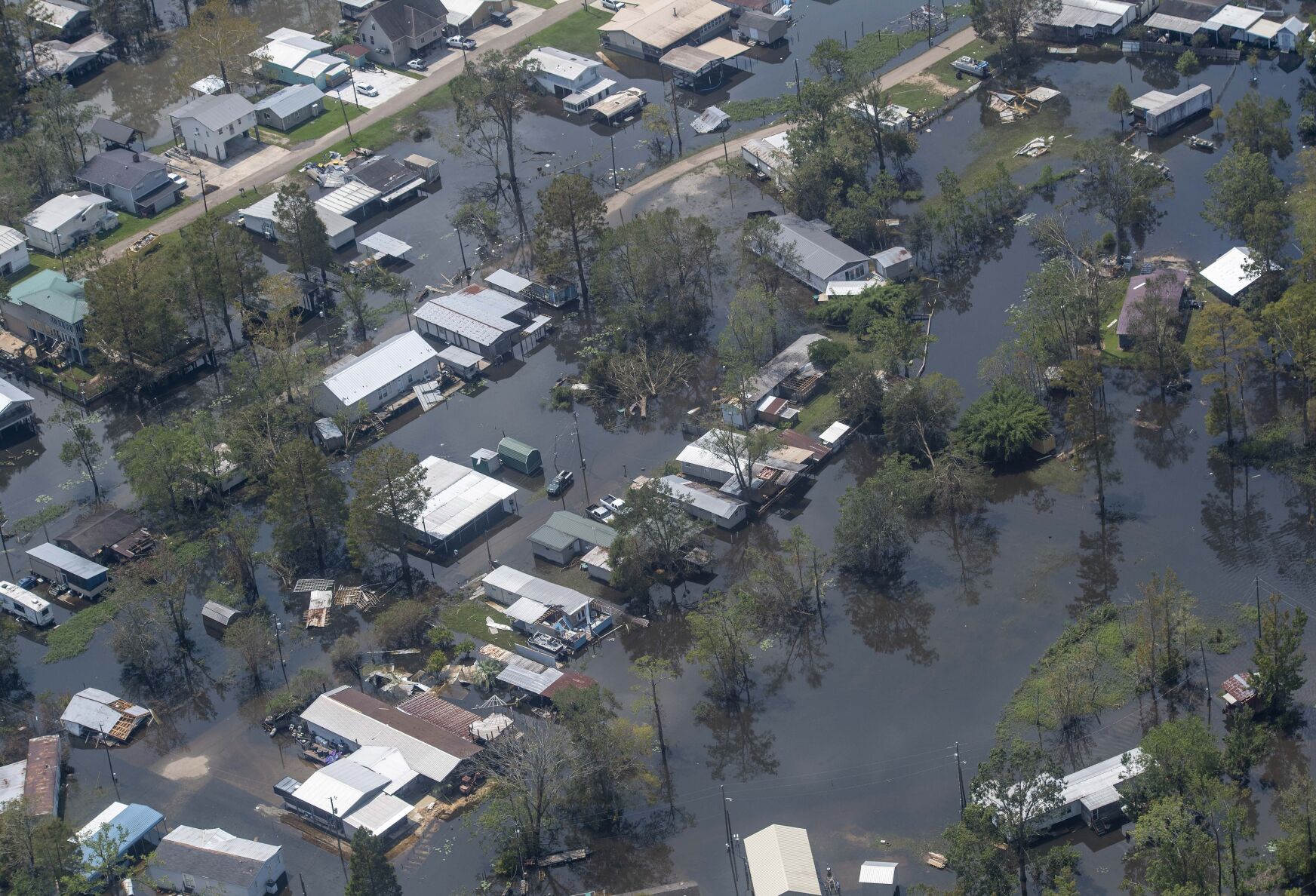
Their project is one of three funded by the Department of Energy's Office of Advanced Scientific Computing Research, with each project receiving $15.1 million over three years.
“Cross-disciplinary collaboration like that created through this program paves the way for future scientific discoveries, combining diverse knowledge, skills and tools in new ways to address many critical challenges. These projects could revolutionize the scientific productivity of our facilities by working on some of America's greatest problems”
As part of the project called MuSiKAL (Multiphysics Simulation and Knowledge discovery with AI/ML), Kaiser and his colleagues will carry out the following tasks:
- integrate the Department of Energy's exascale Earth System Model (ESM) with a multiscale, multiphysics high-resolution coastal circulation model
- develop a high-fidelity AI/ML-enabled digital twin (DT) for the coupled ESM to reduce latency in flood forecasting and mitigation planning
- develop AI/ML-based scientific data collection and visual web platforms to connect experimentalists and computer scientists for continuous collection of on-site and satellite data using the DT
- demonstrate the multifaceted capabilities and workflows of MuSiKAL using comprehensive datasets focused on the Gulf of Mexico, with a strong emphasis on connecting multiple stakeholders for co-designing data collection, jointly analyzing flood simulations, and continuously integrating and training model data

“The Gulf of Mexico coast along Texas, Louisiana and Mississippi is home to important US energy hubs, but also to socially vulnerable populations. These proposed efforts help bring science and knowledge to minimizing flood damage and improving socioeconomic stability in the region”
Ultimately, the MuSiKAL project will make a significant contribution to the DOE Advanced Scientific Computing Research Integrated Computational and Data Infrastructure program by developing a scalable, distributed data storage and management platform in line with FAIR principles (findability, accessibility, interoperability and reusability) and implementing a seamless, model-driven DT platform that enables close collaboration between experimentalists and computer science colleagues.
“The well-being of all Americans depends on the environmental integrity and sustainable productivity of the ocean, our coasts and coastal watersheds. Existing coastal flood forecasting capabilities are limited by inadequate representation of coastal processes in ESMs, particularly regarding coastal hazards, and by the lack of an automated workflow to facilitate two-way information exchange between domain experts/experimentalists and computational scientists. Our research aims to develop a DT framework capable of integrating diverse data in near real time, distributed and parallel computing resources combined with AI/ML methods, to significantly improve current coastal hazard prediction skills”
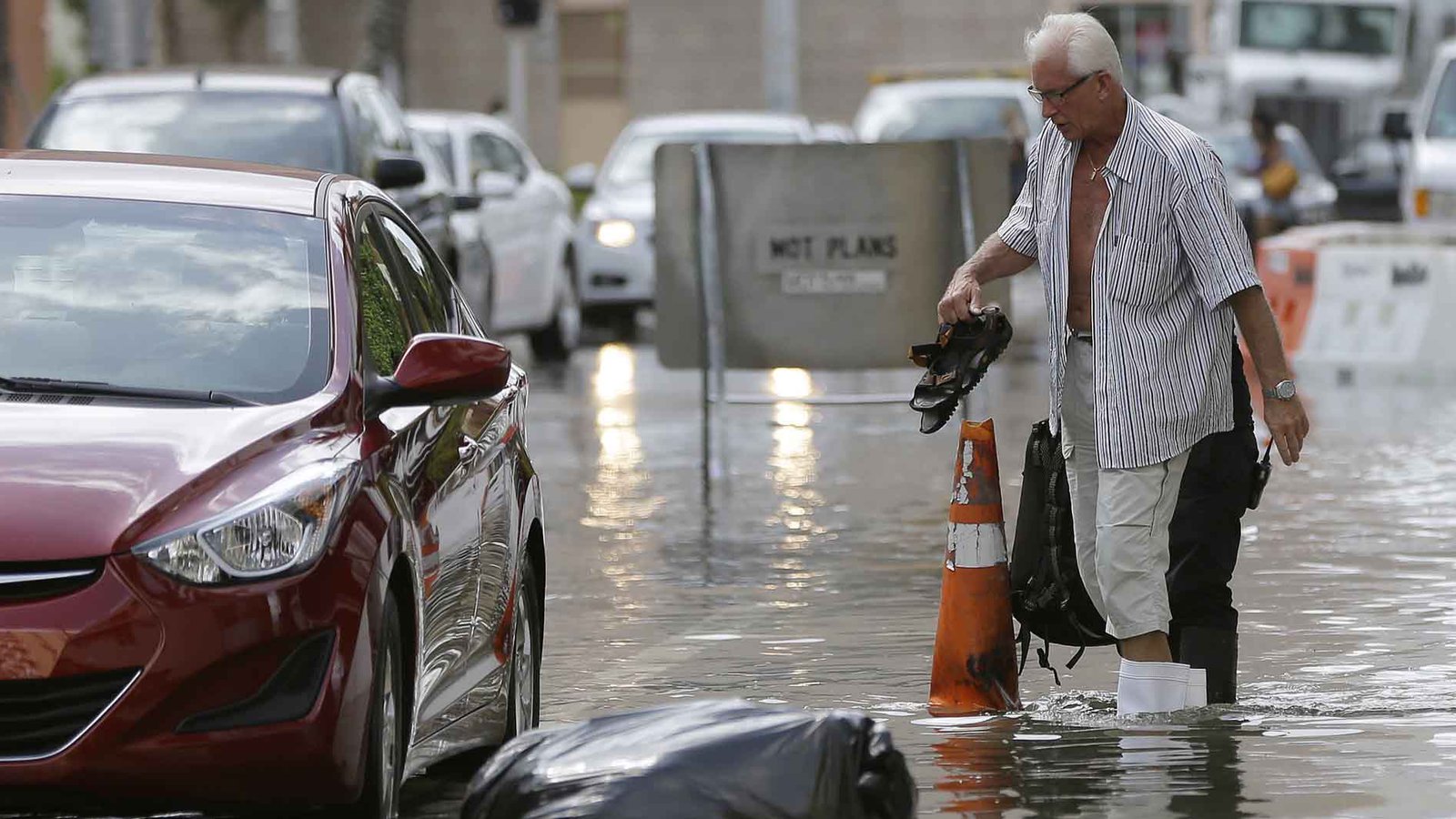
LSU scientists are not the first to use artificial intelligence to forecast weather and natural disasters. In May 2021, the US National Center for Atmospheric Research (NCAR) developed an AI system to predict hail, tornadoes and severe winds during storms, which are difficult to forecast with traditional weather models. The information is freely available online and is updated twice a day.
In September 2021, the British laboratory DeepMind developed DGMR, a deep learning tool that accurately predicts the probability of rain over the next 90 minutes. The researchers trained the AI on radar data that meteorological agencies in many countries regularly publish. For example, in the UK new readings are released every five minutes.


