
Alphabet deploys 100 robots in its offices for everyday tasks
Over the past few years, the team at X (part of Alphabet) and Hans Peter Brondsmo have been working to understand whether robots can be taught to perform useful tasks in the messy, unstructured spaces of our everyday lives.
We envision a world in which robots work alongside us, simplifying everyday tasks, such as sorting trash, wiping tables in cafes or tidying chairs in conference rooms. Further into the future, we see robots helping us in many ways, for example, allowing older people to stay independent for longer.
Engineers believe robots have the potential to make a profound positive impact on society and could play an important role in helping us lead healthier and more sustainable lives. Although our imagined world is still far off, results from recent experiments suggest we may only be on the path to one day making this future a reality.
“I previously wrote about an experiment in which we used reinforcement learning and simulation to teach robots to sort trash to reduce the amount of waste sent to landfills. After showing that robots can improve in practice, we set out to take what robots learned while performing one task and apply that learning to different tasks, without retooling the robot or writing large amounts of code from scratch. Today I am pleased to report that we have the first signs that this is possible”
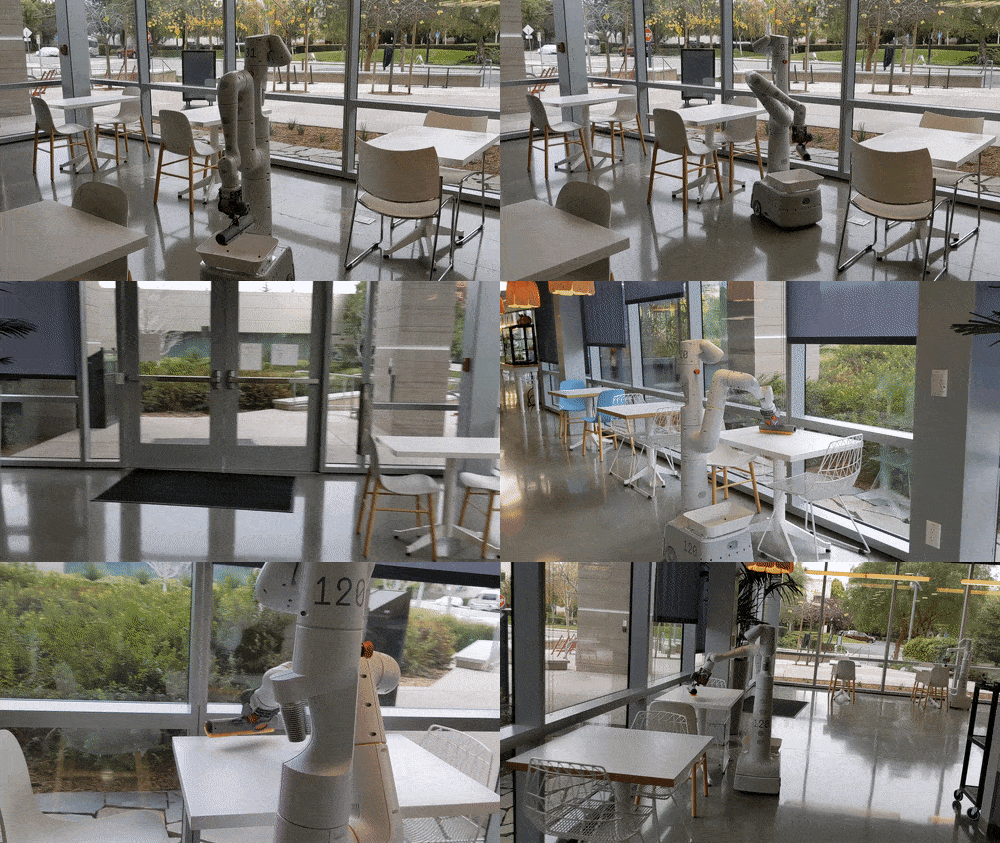
The team now operates a fleet of more than 100 robot prototypes that autonomously perform a range of useful tasks in the company's offices. The same robot that sorts trash can now be equipped with a tool for wiping tables, and use the same gripper it uses to pick up cups to learn how to open doors.
Now that engineers have seen signs that building a general-purpose learning robot is possible, they plan to leave X's rapid prototyping environment to focus on expanding pilot projects at several Google Bay Area campuses. They will also drop the word "project" from the name and be called Everyday Robots.
Back in the 1980s, roboticist and AI researcher Hans Moravec observed that while computers are easy to teach to do things that are hard for people, such as playing chess or doing advanced mathematics, teaching them to do things that are easy for people, such as walking, recognizing and interacting with objects around them, is incredibly difficult. The often-quoted saying "hard things are easy and easy things are hard" remains true decades later. However, recent advances in machine learning are gradually helping to change that.
Today, most robots still work in environments specifically designed, structured and even lit for them. The tasks they perform are very specific, and robots are carefully programmed to carry them out at exactly the right time. However, this approach simply does not work in the tangled, complex spaces of our everyday lives.
Imagine trying to write down every possible way to pick up a cup of coffee, anticipate lighting, or open a door. Engineers believe that for robots to help in the unstructured and unpredictable spaces where we live and work, they cannot be programmed; they need to learn.
“Over the past several years, we have built an integrated hardware and software system designed for learning, including transferring learning from the virtual world to the real one. Our robots are equipped with various cameras and sensors that let them perceive the world around them. Using a combination of machine learning methods, such as reinforcement learning, collaborative learning and learning from demonstration, robots gradually better understand the world around them and become more experienced at performing everyday tasks”
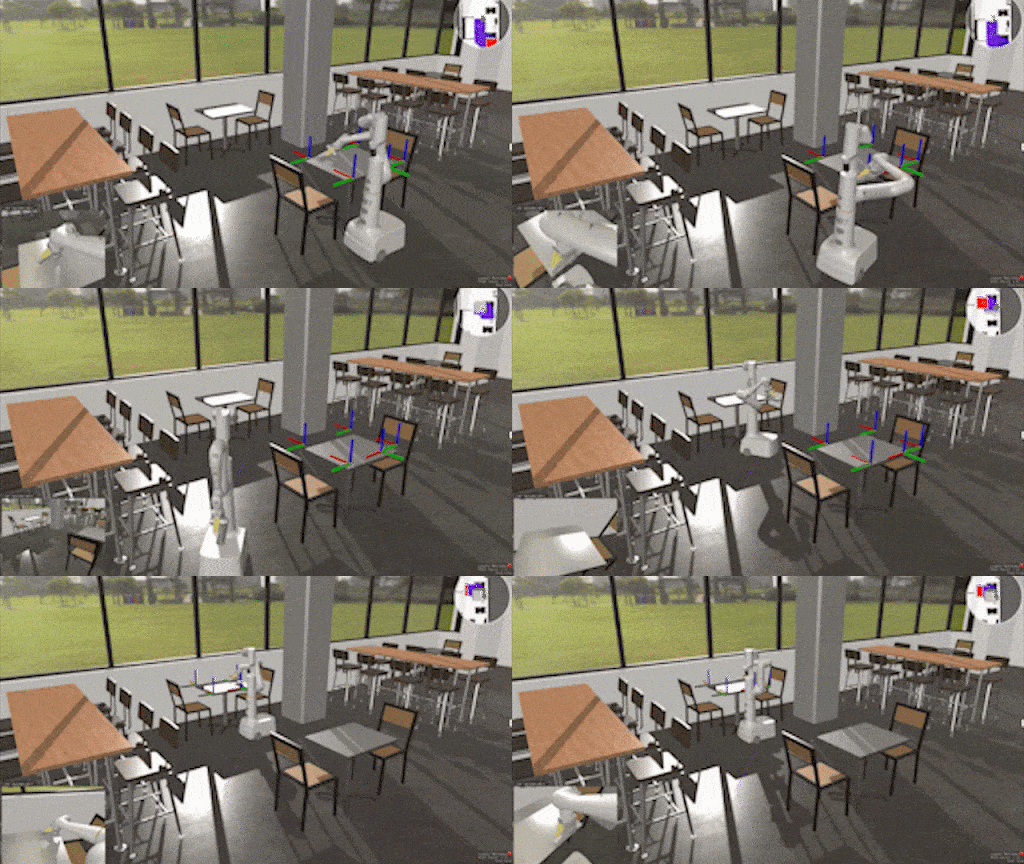
These robots practice tasks such as wiping a table in a simulated world before practicing in the real world, reducing the time needed to learn new actions. A robot sorts recyclables, waste and compost.
Back in 2016, when the team of scientists did not use simulation and used a small lab setup of industrial robots to learn to grasp small objects such as toys, keys and everyday household items, one robot needed four months to learn a simple grasp with a 75% success rate.
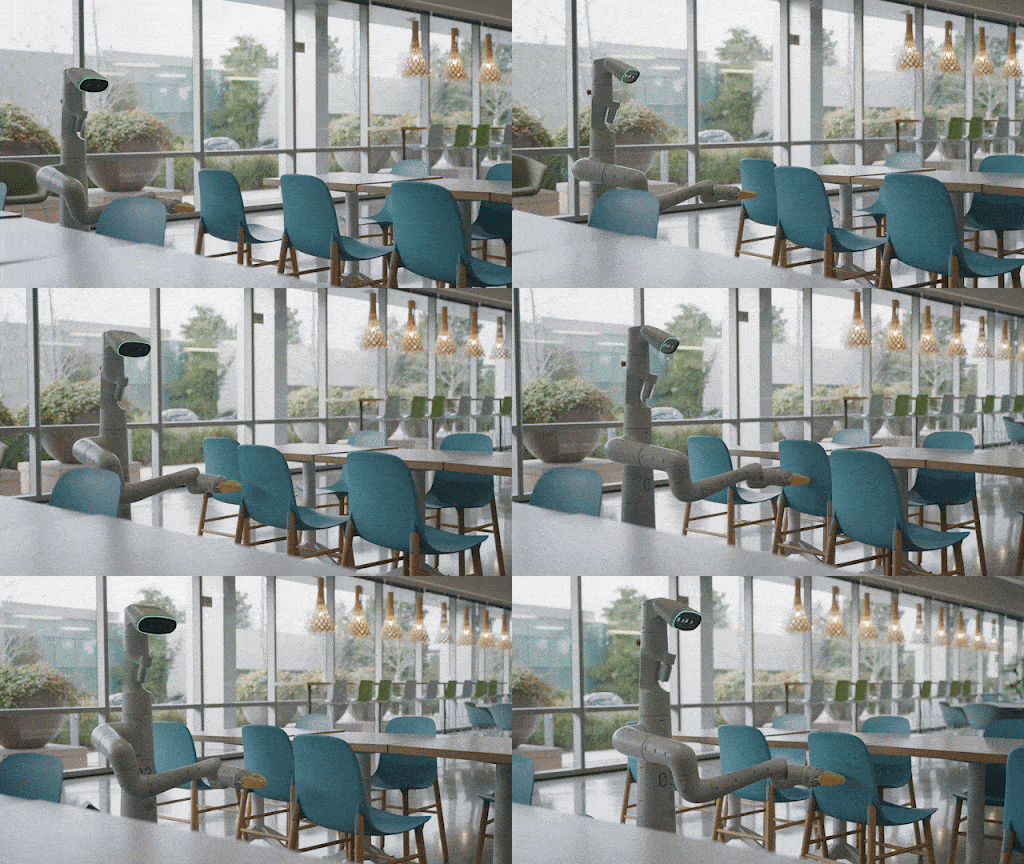
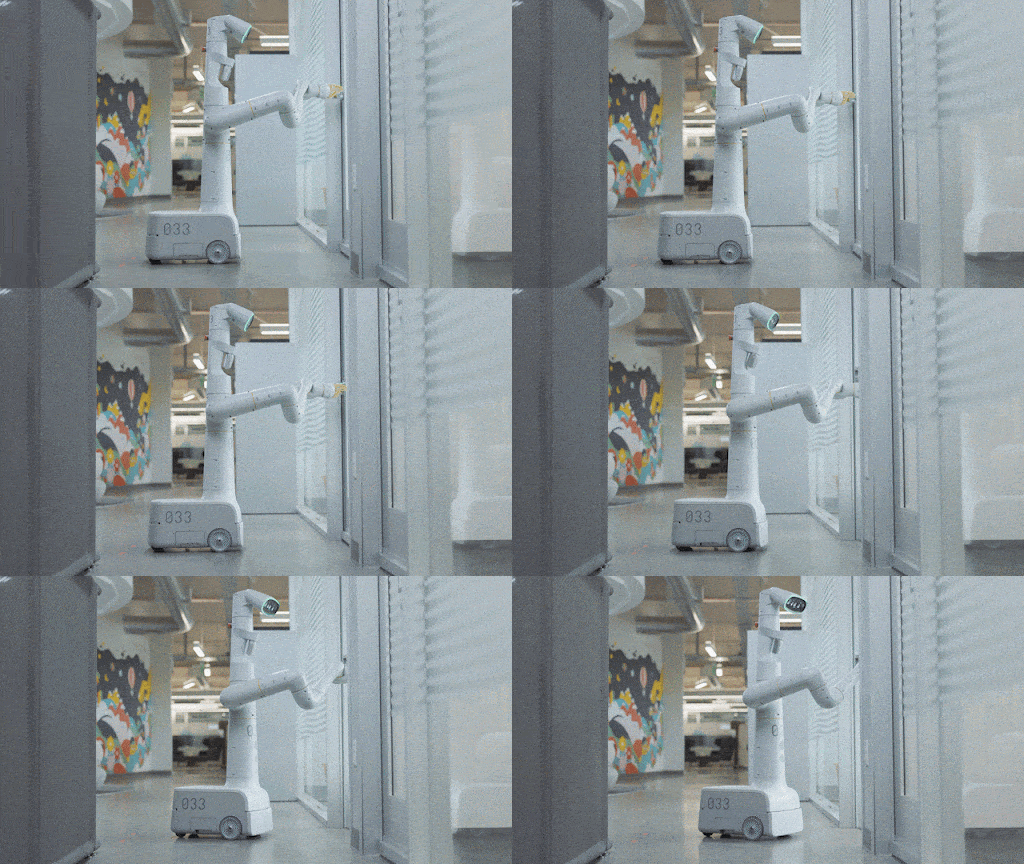
Now, a robot learns to perform a complex task, such as opening doors, with a 90% success rate, spending less than one day training in the real world. Even more exciting, engineers showed how they can use the algorithms and knowledge gained from opening doors and apply them to a new task: aligning chairs in a cafe. This progress gives hope that the project to create general-purpose learning robots may be entirely possible.
In the coming months, Google employees working in Mountain View may catch a glimpse of Everyday Robot team prototypes wiping tables after lunch in the cafe or opening conference room doors to check whether the room needs tidying. Over time, engineers will expand the range of tasks they perform and the buildings in which they operate.
“As I have said, building cool robots is not an end in itself. We hope to create robots that will be as useful in our physical lives as computers are in our digital lives, and we believe robots have enormous potential to become tools that help us find new solutions to some of the biggest challenges facing the world, from finding new ways to live more sustainably to caring for our loved ones. But that is still far ahead. At this point, we are focused on teaching robots new tasks and making sure they don't get stuck in the hallway, so they can help us”


