
How Waymo Self-Driving Cars Handle Fog in San Francisco
According to the National Oceanic and Atmospheric Administration (NOAA), if you check the weather forecast for San Francisco, there is a good chance you will see clouds or fog. For Waymo's self-driving cars to safely get passengers where they need to go, whether it's work on a foggy morning or a trip home to a foggy neighborhood at night, the company is developing the Waymo Driver, which can handle such weather challenges.
Low-hanging clouds are iconic to the city, but they also create a number of challenges for drivers, both human and autonomous. According to data from the U.S. Department of Transportation, more than 38,700 car accidents occur in fog each year, resulting in more than 600 deaths and 16,000 injuries.
Fog is finicky: it varies in density, can be uneven, and affects vehicle sensors differently. Sometimes we encounter fog thick enough to leave tiny droplets on important surfaces, such as optical sensors, and sometimes its micro-droplets simply form on the sensors, affecting how far one can see. Fog can also trap other particles, such as smoke from wildfires or gasoline pollution, creating an even more opaque smog that is hard to see through.
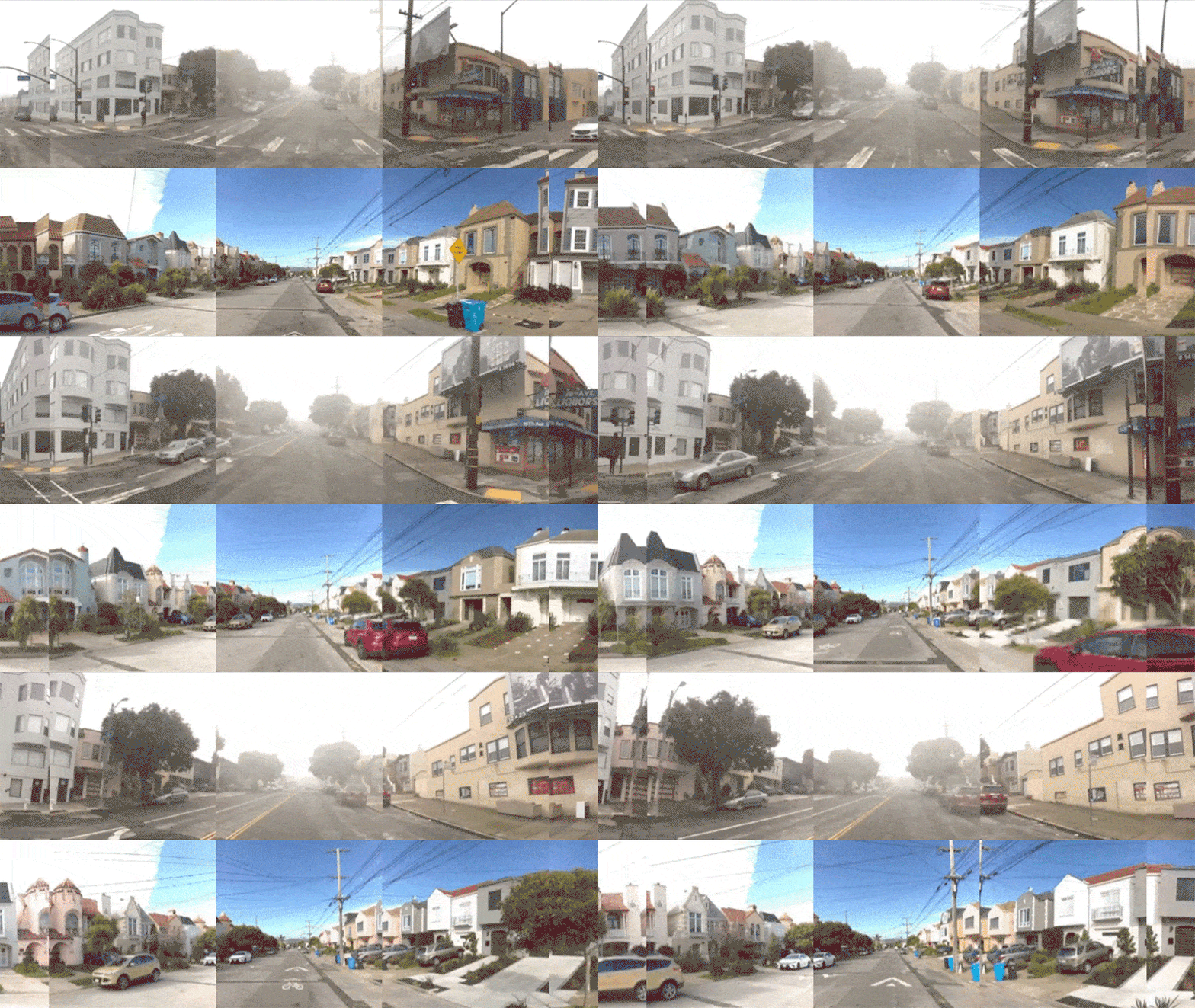
Whether it is raining or sunny, the Waymo Driver uses a single integrated system of lidars, cameras and radars to perceive the surrounding world. With it, the Waymo Driver can see 360 degrees in all directions, day and night, at distances of up to three football fields.
Much like human senses, Waymo's autonomous driving technology is more powerful together than each part alone: each sensor complements the others, giving the system a richer picture of the world, which makes the company's cars safer and more capable. For example, while cameras are excellent at detecting details such as a sign's lettering or a traffic light's color, camera visibility can be limited by fog.
Waymo's fifth-generation radar, the most advanced yet, complements the lidars and cameras with its unmatched resolution, wide field of view and a unique ability to instantly measure speed. And because it uses microwaves instead of light, it sees through weather conditions such as fog and smog.
The company has also developed a robust sensor cleaning system that uses a range of mechanisms, from hydrophobic coatings and natural airflow around the sensors to pulsed air sprays and wipers, so that sensor surfaces stay clear of fog droplets, rain, dust and other road grime.
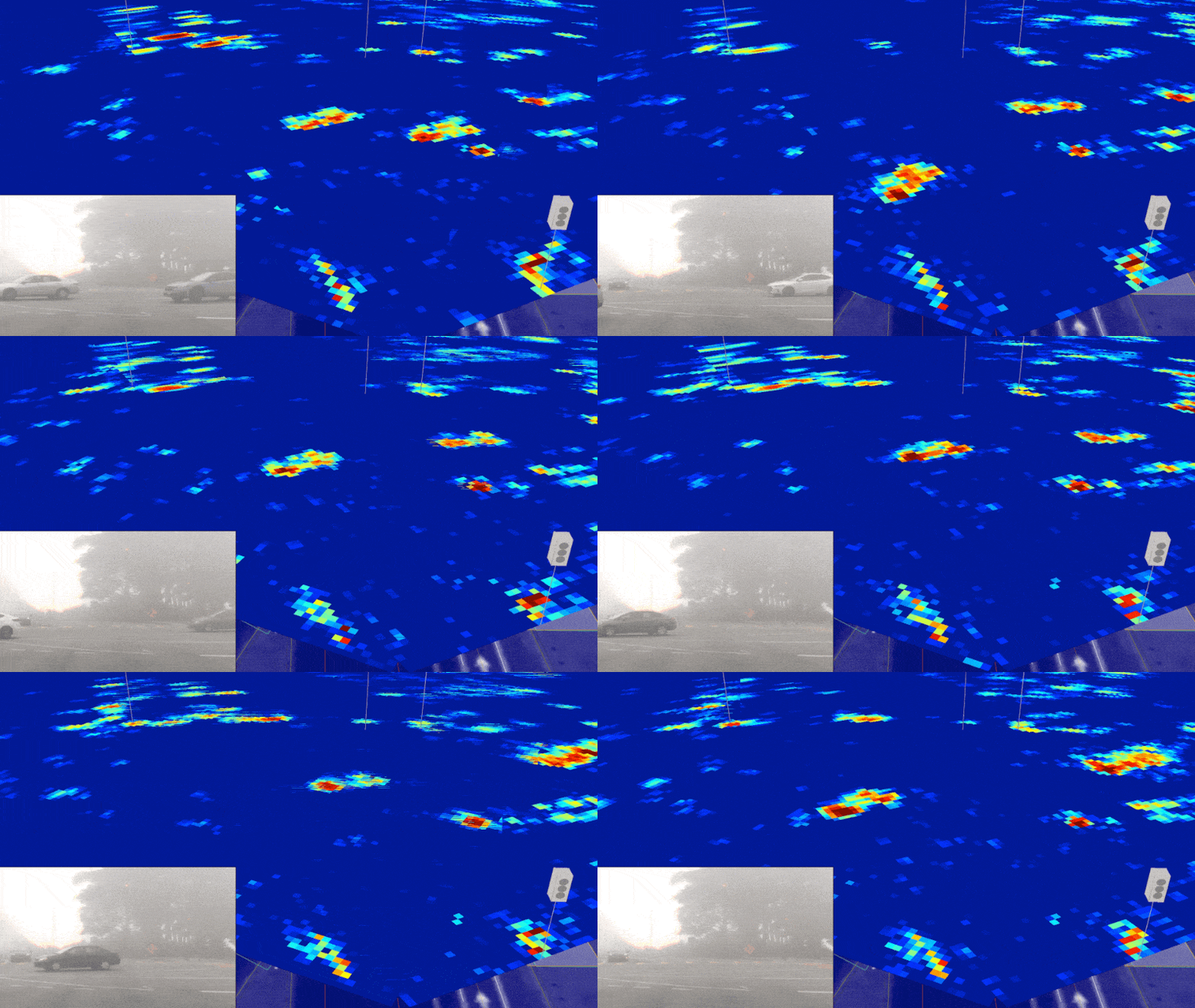
The Waymo Driver also follows many of the unofficial rules of the road that the National Weather Service recommends for both human and autonomous drivers in fog: for example, leaving enough space from the vehicle ahead to account for sudden stops or changes, and staying in the correct lane.
"We knew we would have to teach the Waymo Driver to navigate fog more than ten years ago, when we first started driving around the Cold Gray City of Love. In any city we enter, weather can be especially challenging to handle, because these are seasonal and local issues that change over time," the company said.
To make sure the Waymo Driver is prepared for any conditions, the company runs weather testing to collect comprehensive data, testing, training and validating its autonomous driving system through extremely thorough research. That is why you may see some cars operated by the Waymo Driver with additional sensors.
These funny-looking horns that passengers of self-driving cars see are actually mobile weather stations that help Waymo's meteorology team collect fog data to understand droplet density.
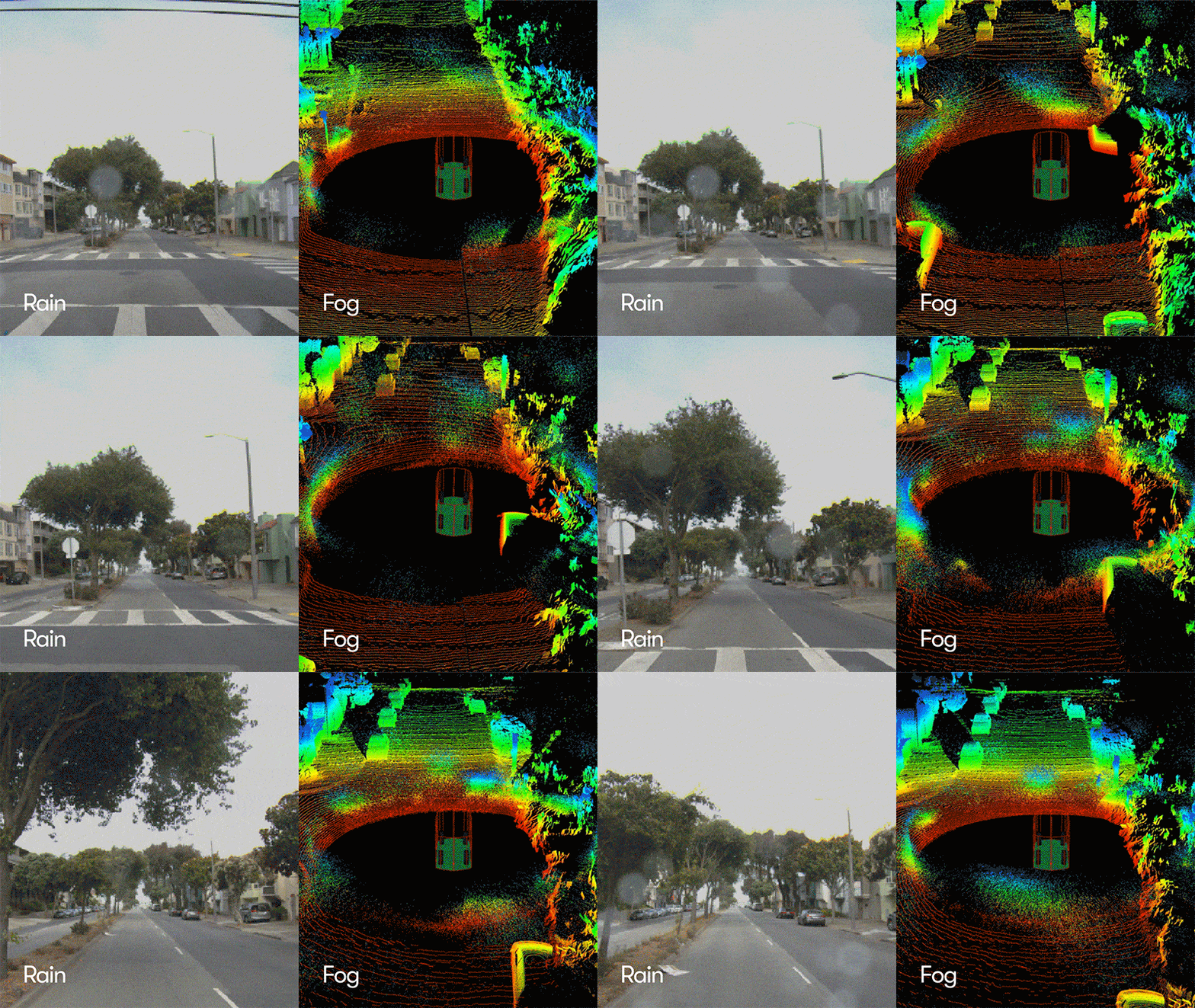
Conducting its own weather testing also lets Waymo expand its knowledge. While human drivers can easily tell sunny weather from fog, the company must teach its autonomous driver to recognize it. Drawing on this experience, engineers were able to train the sensors to understand local weather around the company's vehicles and adjust their behavior accordingly, for example when there is real fog on the street, which is especially useful given San Francisco's climate.
Waymo can also create realistic perception simulations, as in Simulation City, to supplement existing datasets and continue testing the Waymo Driver, even when desired weather conditions are absent in the real world.
Fog is as much a part of San Francisco as its hills and the Golden Gate Bridge, so the company decided to take on this challenge. As Waymo continues developing the Waymo Driver to work in more diverse environments, the company also keeps actively investing in studying other types of weather, from the rainy season in Miami, Florida and Seattle to winter in New York. The company said it will keep "chasing the weather."
Waymo currently has robotaxis operating near Phoenix, Arizona, where they provide fully autonomous rides, and in San Francisco, where all rides are conducted with safety drivers on board. Cruise and Waymo were supposed to launch autonomous taxi rides in California in October 2021.


