
Virtual Incision Raises $46 Million for Its Miniature Surgical Robot
Virtual Incision has raised $46 million to fund its MIRA surgical robot. The proceeds will support regulatory and clinical programs aimed at bringing MIRA to market, a miniature surgical assistant robot designed for laparoscopic procedures such as colon resection.
Virtual Incision said the funding will also support research and development. The company said it has begun developing a family of miniature robots for additional procedures, such as hernia repair, gallbladder removal, hysterectomy, sleeve gastrectomy and others.
“Virtual Incision's goal is to transform surgery by providing a practical, seamless platform that delivers efficient, effective and affordable access to robotic technology regardless of where care is provided. We are glad this funding will support our efforts to advance MIRA so that more patients can eventually experience the benefits of minimally invasive surgery”
Virtual Incision recently announced the world's first surgery using MIRA. A robotic right hemicolectomy was performed as a MIRA clinical study under the U.S. Food and Drug Administration (FDA) Investigational Device Exemption (IDE).
"The MIRA platform is a truly revolutionary platform for general surgery, and I am honored to be the first surgeon in the world to use this system. The procedure went smoothly, and the patient is recovering. I am pleased to take part in the first steps toward expanding access to robotic surgery, which has clear benefits for patients," said Dr. Jobst.
The study, which the company says is progressing well, is currently being conducted at a limited number of U.S. hospitals to support the regulatory path to system approval.
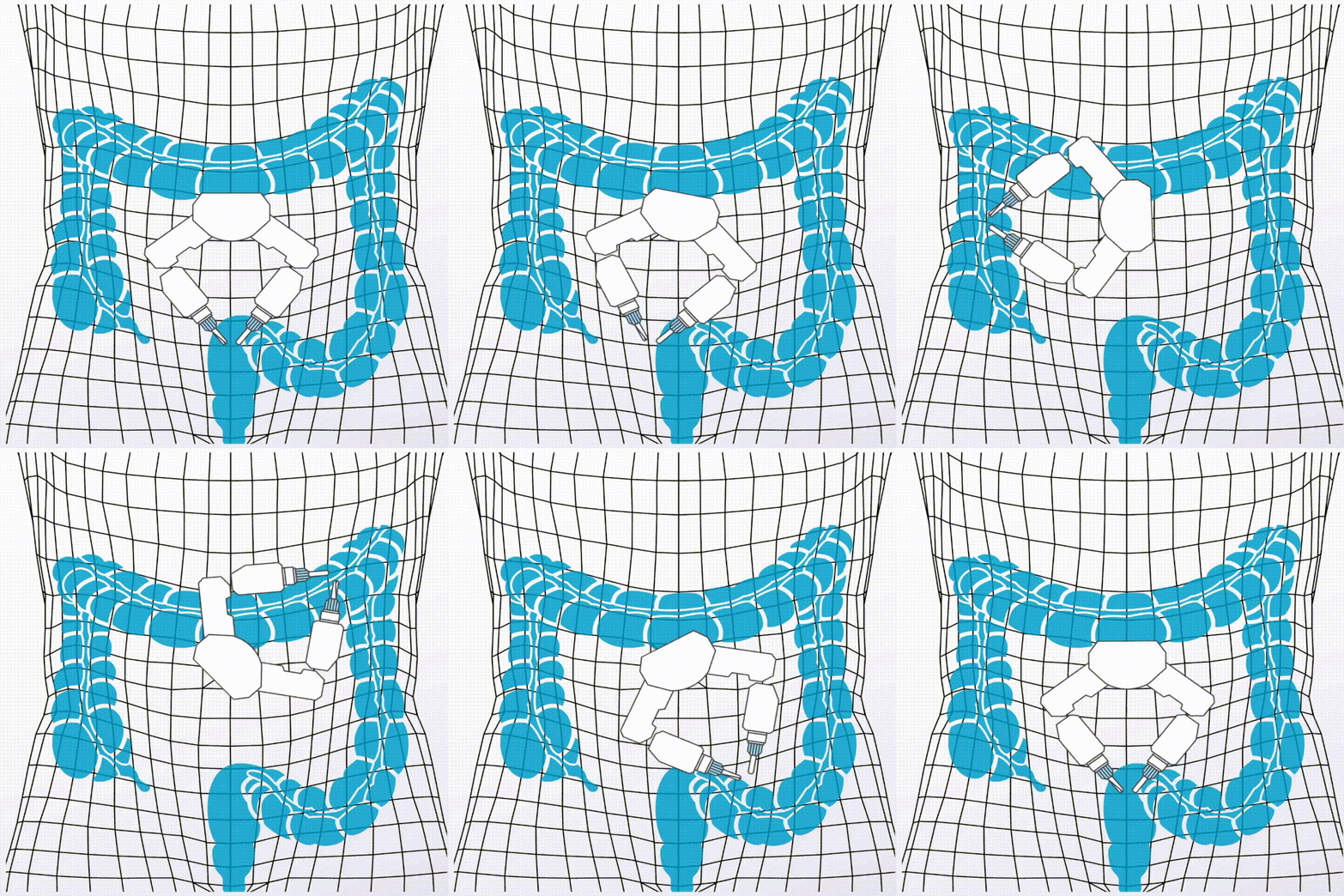
“MIRA's ability to successfully perform colon resection, a complex minimally invasive procedure that requires multi-quadrant anatomical access and substantial robotic strength, demonstrates the platform's great potential. This funding milestone is a step forward in achieving our goal of providing a miniature solution for robotic laparoscopic surgery, regardless of where care is delivered”
The round was led by Endeavour Vision and Baird Capital, with participation from returning investor Bluestem Capital and others.
“Although demand for robotic surgery continues to grow due to its clear patient benefits, challenges still hinder wider adoption, such as high cost, complex installation, and required space and infrastructure. MIRA is designed to overcome the limitations of existing core robotic surgical systems through its small, mobile design, which is optimized for routine high-volume procedures. We look forward to collaborating with Virtual Incision to develop this innovative technology”
The MIRA surgical platform itself is a portable robot that allows surgeons to perform real-time minimally invasive single-incision surgery in any hospital or medical center without the dedicated space or infrastructure typically required for robotic system "mainframes."
Weighing just 0.9 kg, the miniature platform has full robotic capabilities and can easily move from room to room. Many hospitals currently performing robotic surgery face scheduling challenges, as demand for minimally invasive procedures exceeds the number of available robots. Capital costs often prevent hospitals from buying additional platforms. MIRA aims to offer an affordable alternative that will expand access for more patients.

“The goal behind the miniature robotic platform has always been to enable surgical teams to work with greater efficiency and surgical precision. Today we have seen firsthand the advantages of a robotic platform over traditional surgery”
"Unlike current robots that enter the body from outside the patient, Virtual Incision's MIRA robotic surgical platform is a small autonomous surgical device that is inserted through a single midline umbilical incision into the patient's abdominal cavity. Virtual Incision's technology is designed to perform complex multi-quadrant abdominal operations using existing instruments and techniques familiar to surgeons, and does not require a special operating room or specialized infrastructure. Because of its much smaller size, the robot is expected to be significantly less expensive than existing robotic alternatives for laparoscopic surgery," the company said.
Virtual Incision is rethinking surgical robotics with simple innovations that offer mobility, flexibility and accessibility to deliver minimally invasive capabilities to more patients.


