
Why Robotic Restaurants Are the Future of Dining
Since their creation, robots have found wide use in various industries. Organizations around the world have recognized their potential and are investing heavily in robotics. That is why robots are no longer limited to large industries, but are also entering other businesses, such as restaurants and local retail stores.
Lower costs of components such as sensors and printed circuit boards, along with the development of artificial intelligence software, have helped increase the use of robots in various fields. One example is the robotic restaurant. Such restaurants can be fully automated, with every service provided by an AI-powered robot. Bots can bring many benefits to both businesses and customers, and improve the overall experience for visitors.
Large restaurants and food service chains around the world have already adopted robots because of the benefits they bring, and their adoption will only grow as the technology develops.
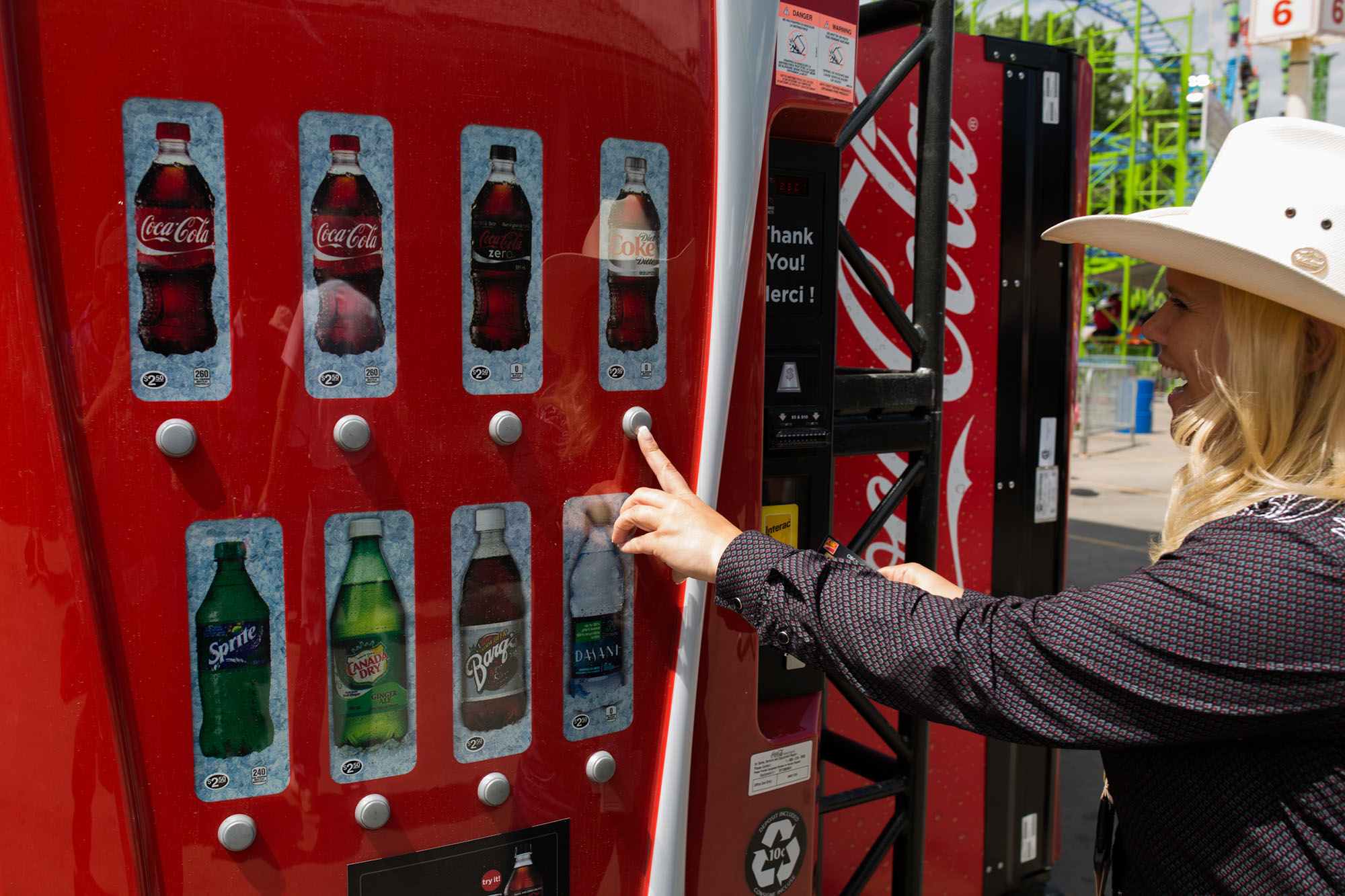
Cobots are the first step toward the robotic restaurant
Cobots are advanced robots that can work alongside people. Venues using cobots were called automats and have been used since the 1970s. Cobots can be used primarily for simple tasks, such as serving or selling food. They can automate various repetitive and routine tasks in a restaurant.
A soda vending machine can be considered a cobot, since the process is fully automated. A vending machine can accept payment and provide the user with the item they need. With advances in robotics, the capabilities of cobots have grown significantly. Restaurants already use cobots to simplify food ordering and payment. In just a few clicks, customers can order their favorite dishes and pay for them quickly.
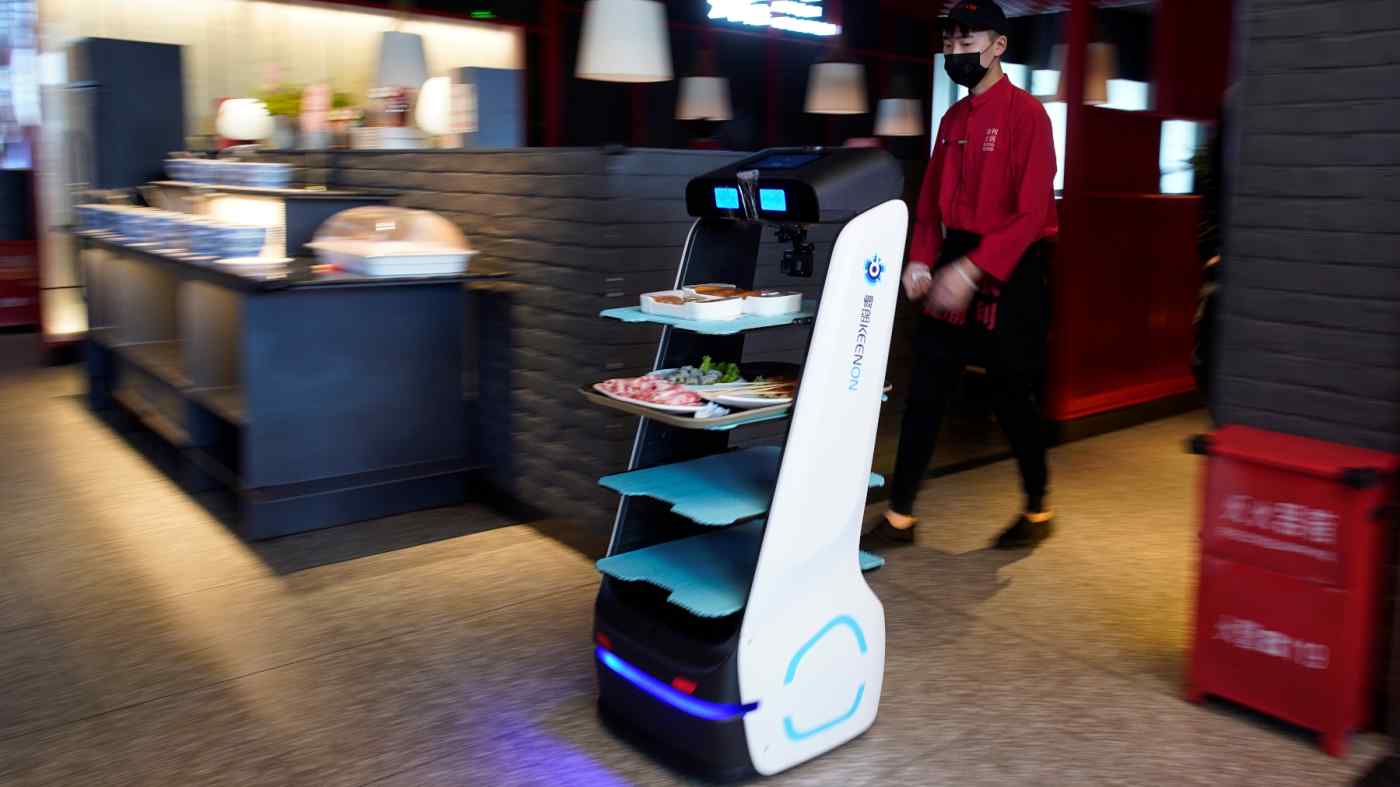
The transition to a fully automated restaurant with robots
Restaurants have recognized the potential of robots and the many related benefits. Robots can be used to automate most, if not all, of the processes carried out in a restaurant. Let us consider some advantages of using bots in restaurants:
Simplifying the cooking process
Robots can be used to prepare dishes using exact ingredient proportions. The chance of errors is minimal, if not zero, thanks to the devices. Once data is entered into the robotics software, the device can prepare dishes without mistakes.
As a result, restaurants can offer a variety of dishes from around the world with the help of robots, since they are not limited by cooking skills. This can help establishments attract more visitors from different social groups and increase revenue. Robots can work at a faster pace than people and can therefore boost productivity. This reduces customer waiting time, speeds up order processing, and can help restaurants increase the number of guests during working hours.
Reducing operating costs
The main benefit of introducing robots into restaurants is the automation of repetitive tasks, such as washing dishes, keeping the kitchen and dining area clean, and serving food to customers. This significantly reduces operating costs, since one robot can perform several tasks with high efficiency.
Another additional advantage of robots is that they can work longer than people. As a result, restaurants do not need to hire several people for the same position to work different shifts. One robot can carry out assigned tasks from opening to closing time. This makes bots very useful for restaurants that operate long or night shifts.
In addition, some employees earn higher wages depending on their experience or shift, which can affect labor costs in restaurants. However, robots can operate for years with the same operating costs and help venues save money.

Providing a better experience for visitors
Robots can be useful not only for restaurants but also for visitors. Because processes are accelerated with their help, customers can expect shorter waiting and service times. Food is served quickly and consistently, which usually leads to pleasant experiences for visitors, who then come back to this restaurant again and again.
In addition, bots offer visitors an engaging and intuitive interface. A humanoid robot is especially enjoyable for small children. Bots acting as an attraction can draw new visitors to the restaurant. Establishments that focus more on robots can offer navigation instructions, and also sensibly prepare and serve food and simplify the payment process. A robotic restaurant can completely transform the overall experience for visitors, restaurant owners, and the industry as a whole.
Concerns about robotic restaurants
Although a robotic restaurant is very efficient compared to traditional restaurants, it has its own obstacles and problems. Establishments using robots must consider these challenges and find solutions or workarounds to get the maximum benefit.

Taste and variety of dishes
No two dishes prepared by the same person are identical in appearance or taste. Although robots can reproduce dishes with high accuracy, this may lead to repetitive dishes with the same flavor. Visitors may grow tired of the same taste each time they visit the place, and as a result the establishment may lose customers.
A robot needs to be given information about different recipes so it can reproduce them. This can take a lot of time, and restaurants may be slow to offer new dishes to their customers. Because robots are limited to the information provided, they cannot create dishes on their own. This leaves the restaurant limited in the choice of dishes it can offer customers and, of course, unable to easily replace them.
Artificial intelligence technology is not yet developed enough for robots to create their own dishes that satisfy a wide range of taste preferences, or to offer exclusive dishes.
Employment concerns
Another concern with introducing robots is their impact on employment. As robotic restaurants replace workers, concerns about people's jobs remain valid. Food service businesses should strive to find a balance between automation and employment, while improving their services and finances. A semi-automated restaurant with robots limited to simple tasks may be the best choice for both restaurants and customers.
The growth of robotic restaurants is inevitable. Thanks to advances in robotics and greater accessibility, restaurants with robots may become commonplace. Nevertheless, they must find a balance between automation and manual labor. As robotic establishments become more widespread, restaurants run by people will take on a niche status.


