EDA report projects most EU counter-drone programs after 2030
A leaked European Defence Agency (EDA) assessment of national plans suggests only around one in three EU counter-drone and very short-range air-defense programs will be delivered by the end of the decade, DroneXL reported. The finding comes as the bloc’s European Drone Defence Initiative is due to reach initial capacity by the end of December, with full operation planned a year later.
Euronews obtained the EDA readiness report in October, according to DroneXL. The publication said the projected delays are not primarily a funding problem: EU states plan to spend €18.9 billion on drone technology from 2024 to 2029, while counter-drone investment increased sixfold between 2024 and 2025.
The report points to fragmented purchasing by individual countries and difficulty making their systems work together. The assessment also notes limited testing and industrial capacity, while long buying cycles could leave equipment out of date by the time it reaches the field.
There are legal and information-sharing obstacles as well. DroneXL reported that some infrastructure operators can detect drones but lack permission to intercept them, and that rules on who can take action remain unclear. Geert De Cubber, head of robotics research at Belgium’s Royal Military Academy, told The Parliament Magazine that sharing information among detection systems while safeguarding privacy and security is a central challenge.
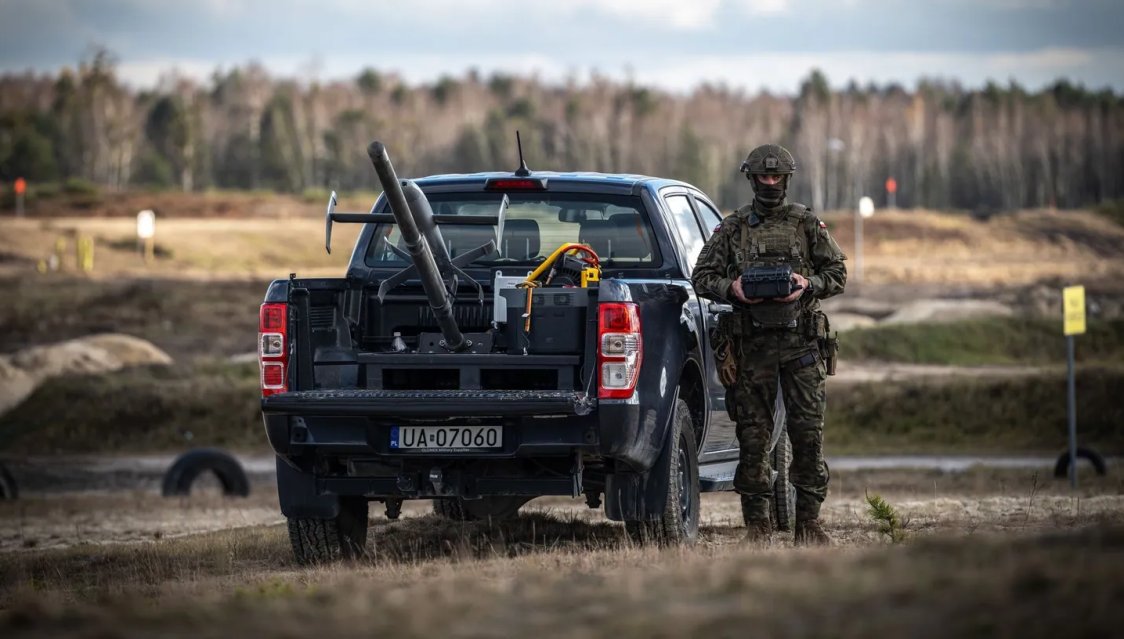
National efforts are proceeding alongside the EU initiative. Poland’s €3.5 billion SAN program is planned to include 18 batteries, while the EU-level DECODER project brings together 28 countries and has estimated investment needs of €3.5 billion to €5 billion through 2033, DroneXL reported.
Scazzieri told DroneXL that by the end of 2027, European states could make headway on securing component supplies and agreeing on common technical standards. He cautioned that linking surveillance across borders and organizing shared responses would take longer; a smaller group of countries facing the same threat may be the first to work together.