
Boston Dynamics' Spot Robot Learns to Plan Routes Dynamically
Artificial intelligence is changing the way businesses operate, extending its applications from managing company assets to monitoring construction sites and much more. AI systems depend on data, but reliable, repeatable data is hard to collect in busy, remote or dangerous workplaces.
Spot solves this problem by acting as a dynamic sensor, collecting data where and when it is needed, freeing operators from tedious collection and helping companies accelerate their digital transformations. Boston Dynamics works closely with owners of Spot robot dogs in resource-intensive industries to deploy the robot and understand what it lacks for specific tasks.
Spot 3.0 adds flexible autonomy and repeatable data collection, making the robot dog ideal for gathering the information needed to make inspection rounds safer and more efficient. Every step of setting up automated Spot inspections was optimized for efficient data collection and processing. The robot dog is now even better adapted to the real world.
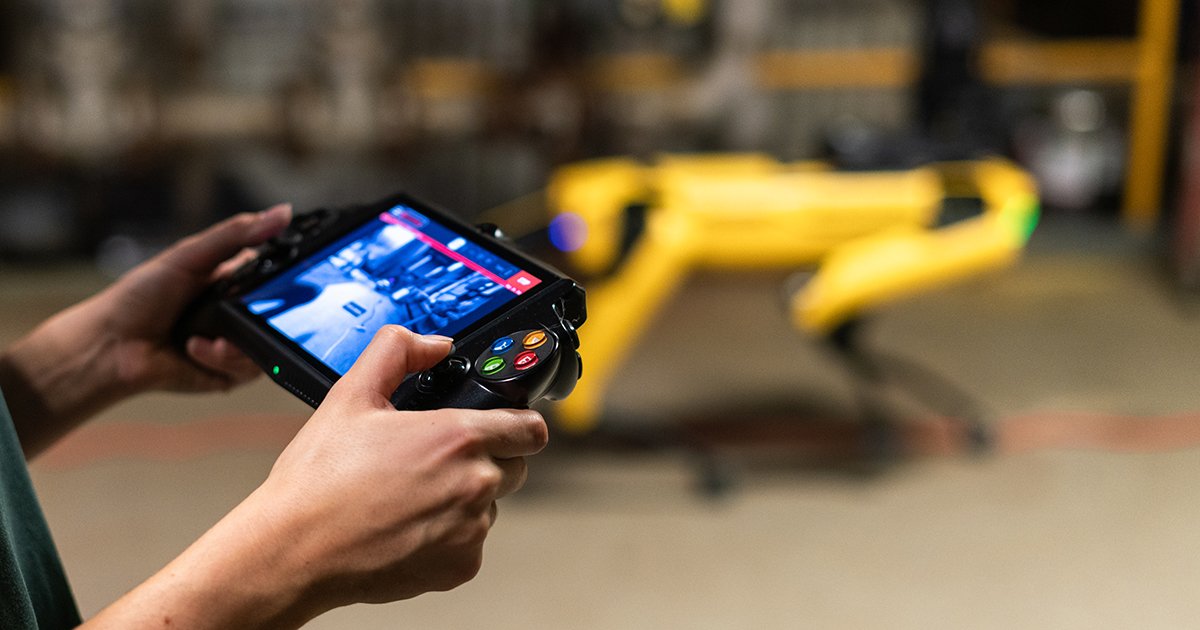
Owners can schedule robot missions to capture photos, thermal images and other important data, turn this information into valuable signals at the edge using computer vision models, and create custom uploads to send these signals to existing systems so all data can easily be stored in one place for analysis and review. Spot Release 3.0 makes dynamic sensing available to everyone.
Flexible autonomy
Spot's Autowalk system has been tested over thousands of kilometers of industrial sites and construction areas around the world. Version 3.0 adds new powerful capabilities to this system, allowing operators to record autonomous missions that carry out dynamic sensing across the entire site.
- Mission editing — map the entire site by extending routes and adding new inspection actions to existing missions across several recording sessions.
- Mission planning — save time by choosing the inspection actions Spot should perform, so data collection takes the least possible time.
- Dynamic replanning — don't skip inspections due to changes on site, since Spot can now re-plan previously blocked routes to make sure you get the data you need.
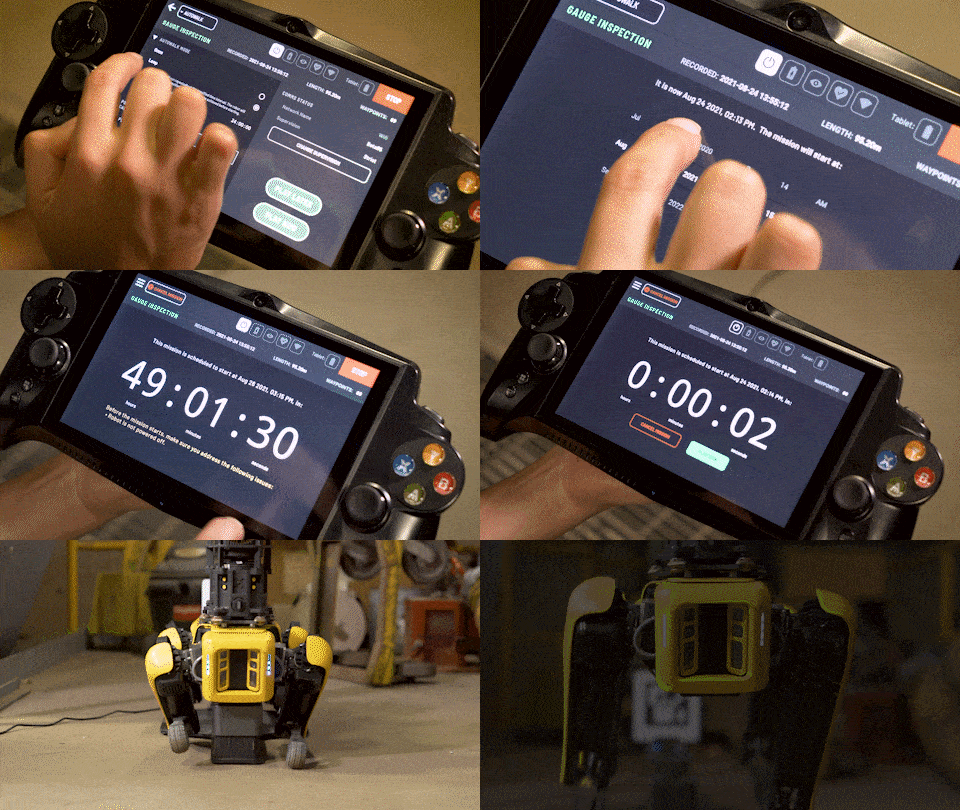
- Scheduled missions — inspect your site outside working hours with simple planning and autonomy tools.
AI-powered data collection
Version 3.0 makes data collection more reliable and easier to process. Computer vision models can now be connected to Spot, adding valuable context to remote operations and turning raw mission data into actionable signals at the edge.
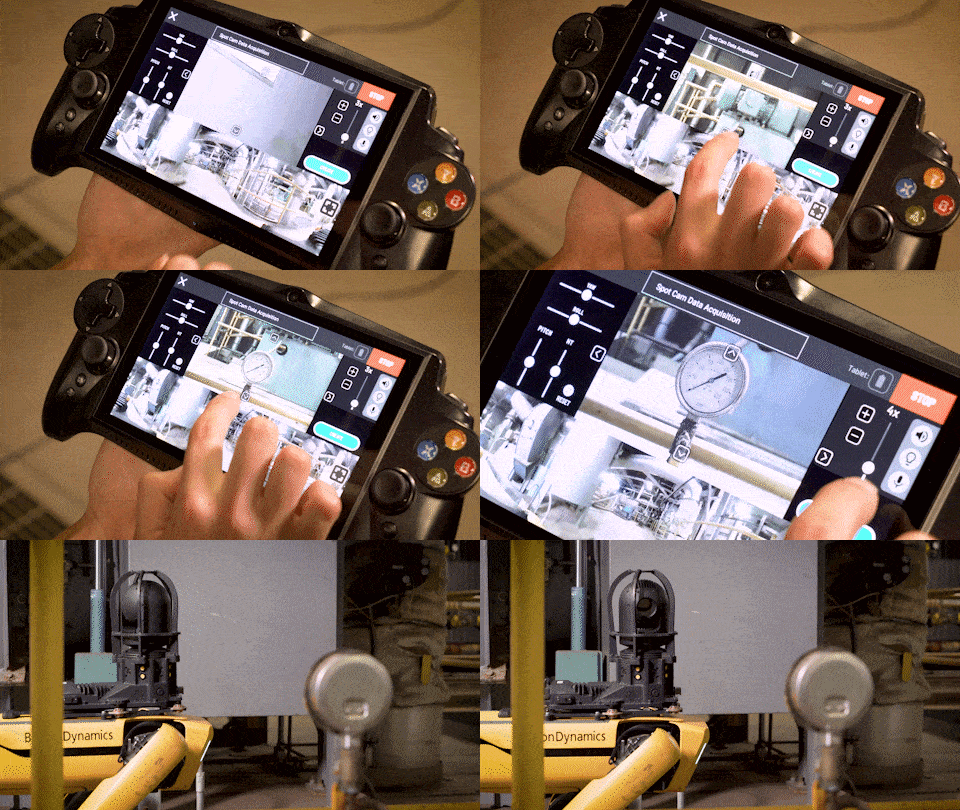
Repeatable image capture makes it possible to take the same image from the same angle every time, with camera alignment based on Spot CAM + PTZ (pan-tilt-zoom). Developers added live preview of computer vision models: you can use models from TensorFlow or from the company's API library to perform inspection tasks such as reading gauges, thermal analysis or detecting acoustic anomalies.
Computer vision models can always be previewed on the tablet, after which you can create smart actions for a specific robot use case.
Enterprise integration
Spot closes the loop of systems that companies already use to understand and manage operations. The robot helps teams manage assets, detect anomalies faster, track work, create digital twins and much more.
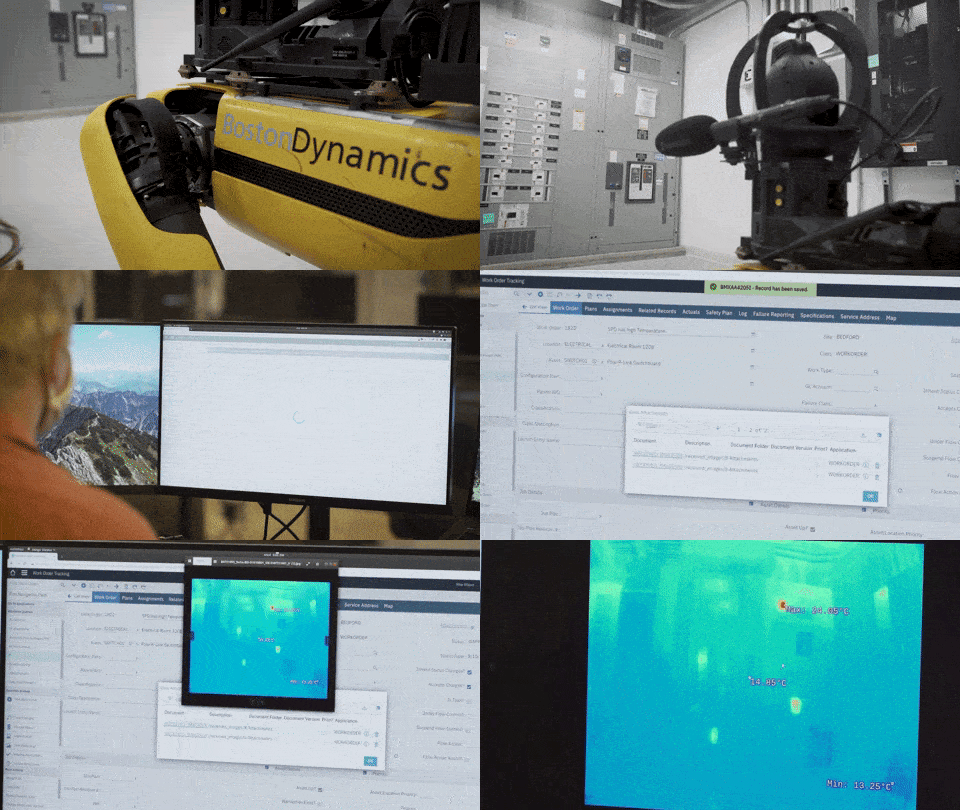
The robot dog can automatically upload data to existing systems at the end of a mission using custom code. Spot connects to AWS, Azure, IBM Maximo and other systems with existing or easy-to-build integrations.
Companies can use Boston Dynamics' web application to remotely manage their entire fleet with dynamic sensing, plan missions and view data collected on site.
Additional new features
Spot 3.0 includes many other features designed to help teams put the robot to work and enable dynamic site sensing:
- payload (efficiency) — restarts remotely, parameters are easy to adjust
- manipulation — Spot Arm can be controlled remotely thanks to integration with the rear Spot CAM camera and split-screen mode
- sounds — customizable audio alerts from the robot help keep observers at a distance
Another unusual innovation is that doors are no longer an obstacle for the robot. Previously it worked with some classic handles, but now it can interact with levers and push-bar fire exit locks using its manipulator.
Boston Dynamics introduced the Spot robot dog in 2016. It reaches speeds of up to 1.6 m/s, navigates space using sensors and cameras with a 360-degree field of view. But the robot is not cheap at all — $74,500.


