
How Robots Help Save Our Planet: Fighting Soil Erosion, Ocean and Air Pollution
Today the world faces a difficult situation, since technology has always been both a blessing and a curse when it comes to the place we call home. As the world we live in becomes more and more polluted and natural resources are depleted every day, companies are focusing on how they can contribute to saving the planet.
Green and industrial revolutions have not always gone hand in hand. However, in recent years, businesses have come up with solutions that can help them do the necessary work and also reduce the damage done to the environment.
As it turns out, using the innovative capabilities of robots in everyday processes has proven invaluable in the fight to improve our fragile ecosystem. Let's look at how exactly they help us change the way we act so that we can save the planet.
Soil Erosion
Soil erosion affects not only the economy but also our precious environment. It is a serious environmental threat to both sustainability and productivity, affecting the climate crisis and even food security. This phenomenon reduces the fertility of our soil, which negatively affects crop yields.
Here is how it works: erosion carries soil-laden water downstream, creating thick layers of sediment and preventing streams and rivers from flowing properly. Ultimately, this can lead to new floods that people, animals and crops are simply not prepared to handle.

When erosion degrades valuable land, it makes it harder for the vegetation we need to grow. With better land management, the soil can remain intact. Undamaged soil can continue its important work of supporting carbon-absorbing plants.
One of the biggest dangers is that at this point, soil seems to be degrading faster than it forms. Data shows that the US loses about $44 billion annually in the agricultural sector due to erosion. Robots can help by inserting special plates into sheet piles and then driving them into the soil. These robots make it possible to build retaining walls or check key dams for dangerous levels of erosion.
Air Pollution
According to the World Health Organization, about 7 million people die from air pollution every year. Today's robots are designed with zero harmful emissions, and replacing older gas-powered engines has reduced smog in densely populated areas.
For example, heavy-duty diesel trucks emit about 150 tons of smog in a single day. If autonomous robots can reduce this number, we will have a chance to clean the air.

In 2019, Greece tested drones equipped with sensors for monitoring air quality. They made it possible to study in detail parameters such as air temperature, atmospheric pressure, humidity and levels of various gases, including carbon monoxide and carbon dioxide.
In Thailand in 2019, a fleet of drones was deployed to spray water and "non-hazardous chemical sprays" to "push" air pollution out of the sky. Officials claimed the drones were able to reduce the level of a particularly harmful toxin.
Tank Cleaning
With traditional tank cleaning, including cleaning crews, tanks must be kept open longer than with robotic cleaning. This means a higher likelihood of harmful chemicals leaking out, further polluting the air around the tank.
Some factories and industrial facilities discharge up to 1.5 million gallons of water annually. In fact, with the traditional approach, cleaning a single tank requires about 6,000 gallons of water.
On the other hand, robotic tank cleaning does not use as much water or produce as much waste as human crews. Using robots also limits entry into confined spaces, protecting people from dangerous situations.

Fighting Wildfires
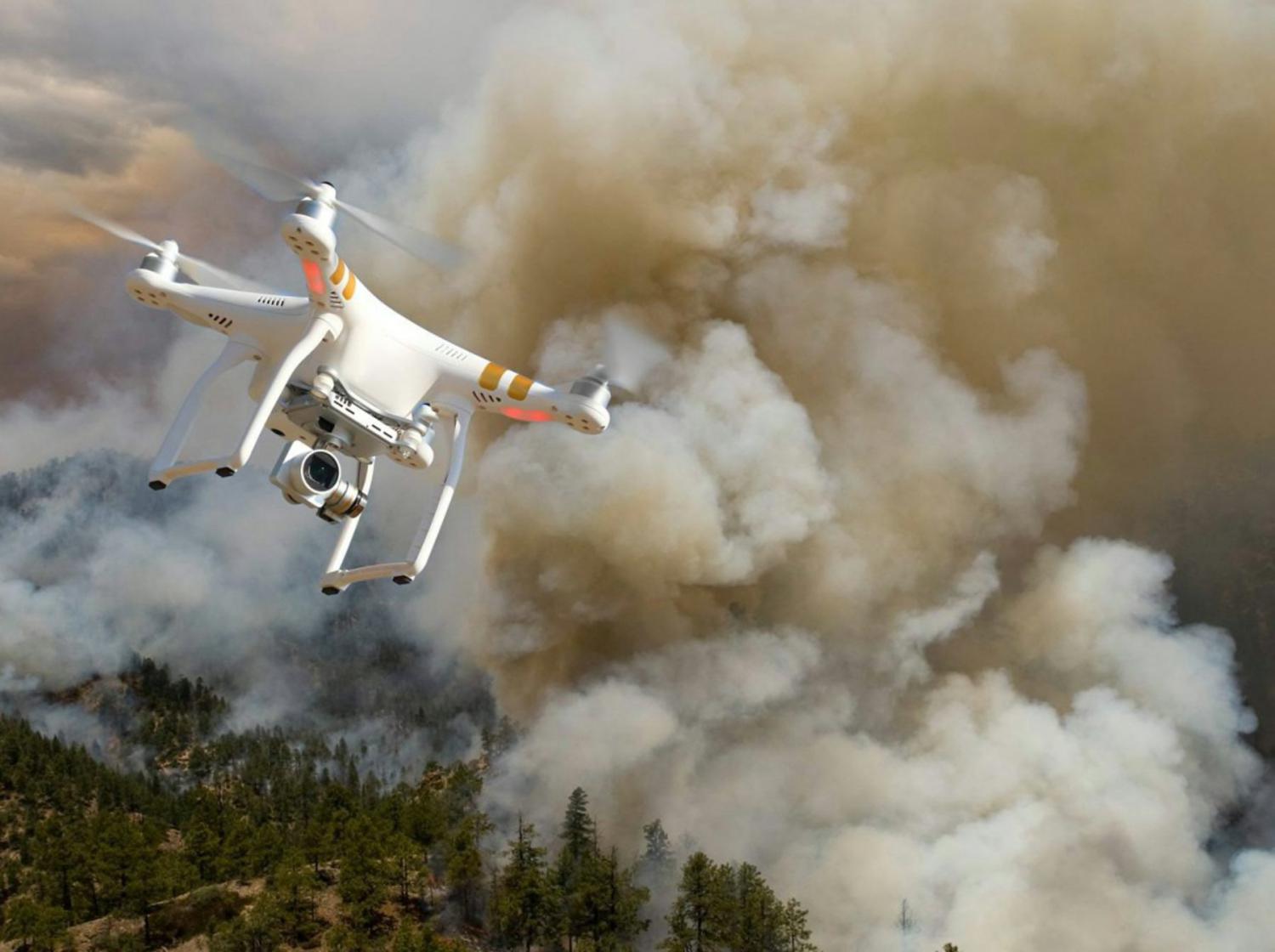
Unfortunately, the US alone sees an average of 100,000 wildfires every year. Robots can help fight fires and reduce the number of people who have to put themselves at risk. This is because robots can be equipped with water-foam mixtures and fire extinguishers to contain serious wildfires.
They can also be armed with technologies such as infrared cameras, GPS, advanced thermal sensors and constantly evolving artificial intelligence capabilities. In addition, if they are equipped with GPS tracking and appropriate sensors, they can also be used to rescue animals in danger while fighting a fire.
Protecting the Ocean and Marine Life
Robots do a lot for our ocean, including cleaning up oil spills, absorbing microbes and converting them into energy, and much more. A robot can operate for months while producing more energy than it consumes. It can also collect plastic waste to help with cleanup, which would take people much more time and require more resources.
In addition, robots conduct deep research at ocean depths where people cannot safely reach due to lack of light, high temperatures and pressure. This protects animals and reefs and helps us learn more about the creatures living beneath the water's surface.
According to the UN, about 8 million tons of plastic waste enter the ocean every year, which eventually break down into microplastics. According to a recent CSIRO study, about 16 million tons of microplastics lie beneath the waves, posing a threat to marine life and, consequently, to global food chains.
In coastal areas you can find barnacles, mussels, algae and fungi, all considered biofouling species. Biofouling destroys man-made structures such as boats and ropes. It may seem like a minor problem, but biofouling can clog water flow, cause pipe corrosion and become dangerous for marine life.

By fighting these organisms, we limit the amount of fuel used by ships and other marine vehicles, making them more hydrodynamic.
An example of robot use in the ocean: an autonomous 600-meter floating barrier nicknamed Wilson. In June 2019, an upgraded version of the robotic structure delivered about 60 bags of trash home, which were recycled and sold as sunglasses.
Solar-powered autonomous trash collectors have been installed on some rivers in Malaysia, Indonesia and the Dominican Republic. By 2025, they could cover about 1,000 of the world's most polluted rivers.
Robots Are Helping Hands
In addition to saving money, improving process efficiency, reducing harmful substances and improving the environment, robots can go where people cannot. They can protect many from danger and save lives.
We have only one planet, but we are gradually destroying it, so we must find ways to become more sustainable. It would be irresponsible to overlook all the positive impact that robots can have and do have on the world around us.


