
Scientists Are Teaching Robots to Clean Up Nuclear Waste at Chernobyl
One day, robots may help get rid of nuclear waste. Scientists from the University of Bristol, who are working on this problem, recently visited some of the most contaminated sites at the abandoned Chernobyl nuclear plant to achieve this goal.
The researchers are helping develop new technologies, including using Boston Dynamics' robot dog Spot to work with radioactive waste. The Chernobyl control room was the epicenter of the infamous 1986 nuclear plant disaster, when a reactor meltdown caused two people to die in the explosion, 28 from acute radiation syndrome, 15 from thyroid cancer, and thousands were exposed to harmful radiation.
Now scientists hope the disaster site can help train robots to keep people safe during decommissioning. The team worked mainly in the so-called New Safe Confinement, a structure that was placed over the remains of Reactor No. 4 at the end of 2016. The site is suitable for training robots to map and measure radiation.
By some estimates, radiation levels in the Reactor No. 4 control room exceed the norm by 40,000 times. This was actually the Bristol group's second visit to Chernobyl, and they learned a lesson about radiation intensity in 2020.
“Some of the equipment we brought with us the first time, such as the radiation detectors in the NSC, became saturated and could not record meaningful data. This time, a year later, we were able to improve the technology and improve the equipment”
Part of this improvement was not just measuring radiation, but also training robots to create a three-dimensional map of the terrain. These maps, overlaid with radiation data, can help more accurately determine the spread and location of radiation.
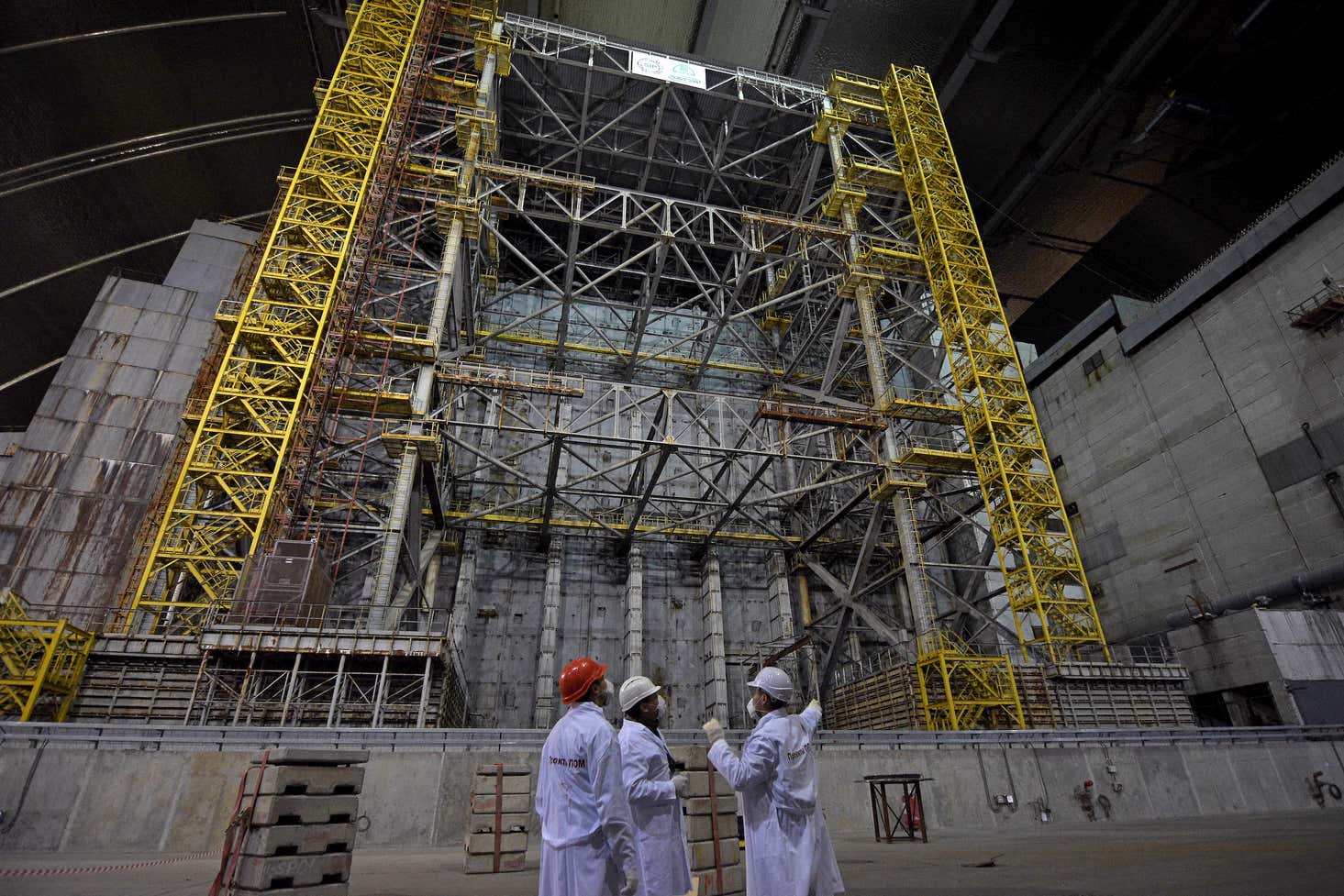
The project is part of a consortium that is working on using robotics and artificial intelligence to explore nuclear environments that may be harmful to humans, with the hope of expanding the use of robotics and artificial intelligence in the industry as a whole.
Automated systems can have a wide range of applications in the industry. For example, robots trained to distinguish between types of radioactive waste could help people identify and dispose of nuclear waste more accurately and safely, which would also save money in the process.
Scott said his team conducted tests outside the nuclear facility, in an abandoned area of 2,600 square kilometers within the Chernobyl Exclusion Zone, which was established years after the accident to protect people from potentially dangerous radiation. In recent years, this zone has unexpectedly become a refuge for wildlife (as has the Fukushima exclusion zone), as well as for tourists who flock to the area.
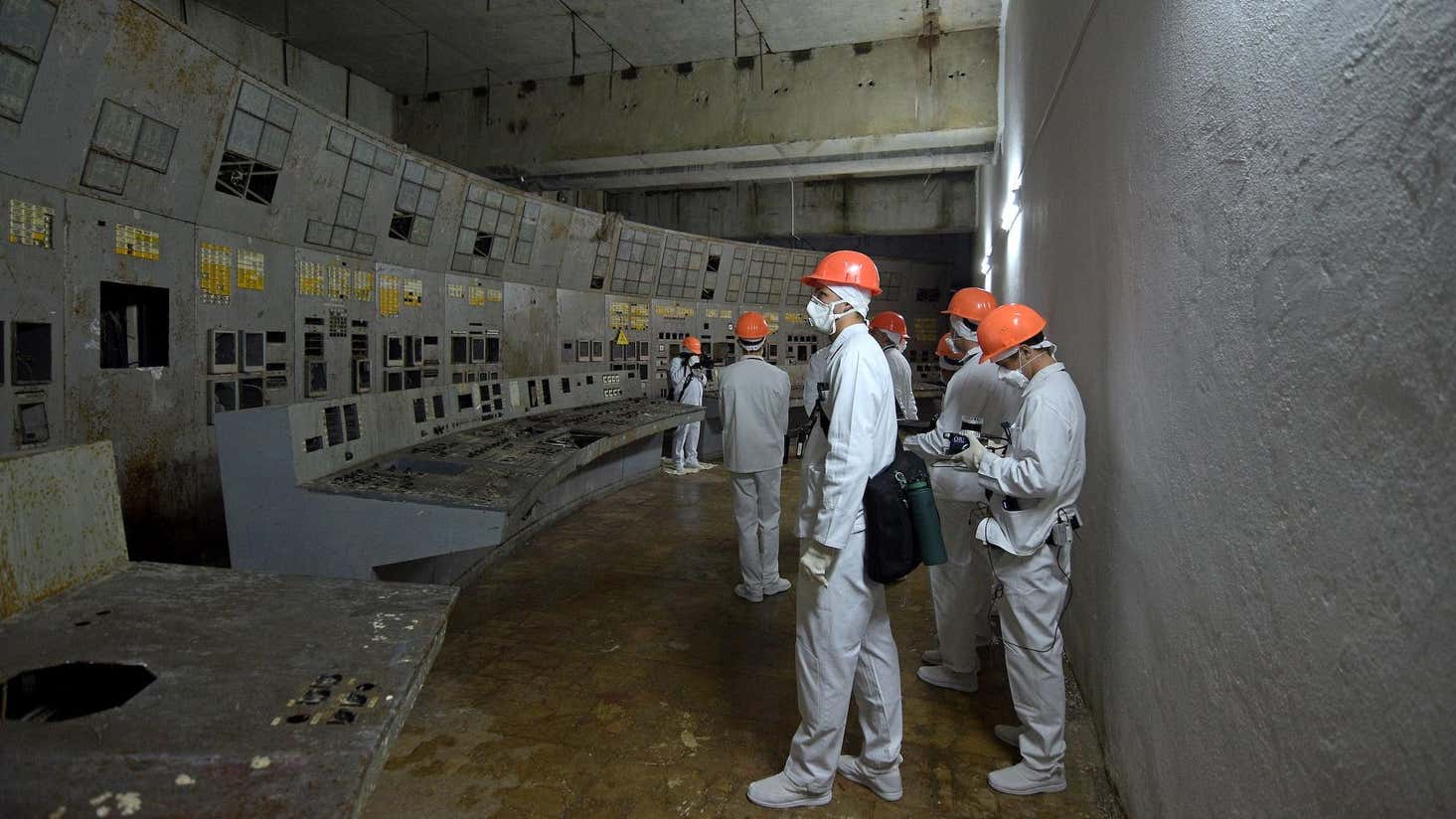
In 2019, Ukrainian President Volodymyr Zelensky declared the region an official tourist attraction. The government even opened the previously sealed “Reactor No. 4” hall to tourists, but visitors can only stay inside for five minutes, and must undergo radiation tests after the visit. In 2020, a scientist showed the media that some radiation levels in parts of the exclusion zone are lower than those you can receive on an airplane.
Radiation in the region can still be unpredictable: it clusters in “hot spots” rather than in one large area, and can increase if the ground is disturbed. In 2020, two forest fires broke out in the Chernobyl Exclusion Zone, and rescuers measured radiation levels 16 times above the norm. The flames also reached within 37 meters of a radiation waste storage facility.
As forest fires become increasingly common in the region (partly due to climate change), the risk of radiation spreading also increases. A study conducted in 2016 showed that as a result of forest fires in the Chernobyl Exclusion Zone in 2015, radioactive particles spread across all of Eastern Europe.
However, fires are far from the only thing affecting nuclear waste. Regular decommissioning of waste from facilities can lead to changes in radiation levels and pose potential harm to people involved in the decommissioning process. The research team hopes that robots and artificial intelligence will help quickly scan and assess any dangerous changes as they arise.

“We really think that the technologies being developed now will help with decommissioning. The technology is needed now”
According to the researcher, the timing of this project is very important. The Ukrainian government continues the gradual decommissioning of Chernobyl. However, the UK is also preparing to close a major nuclear waste site. Other radioactive waste dumps can be found around the world, pointing to even more applications where robots could help.
Other robotics developments could also lead to a real breakthrough. In Fukushima, where an earthquake and tsunami in 2011 caused the accident at the Daiichi nuclear plant, the station owner also deployed robots. Early efforts showed that robots were disabled by radiation, but a probe sent into the damaged reactor in 2019 was able to handle the radioactive debris. Nevertheless, cleanup there is expected to take decades, even with a little help from our robot friends.


