
Medical Robots: 10 Examples of Robotics in Healthcare
The best-known use of robotics in healthcare and medicine is surgery. From organ transplants and gastrointestinal procedures to spinal and urological operations, all of these are performed with some type of robot.
Six medical robotics companies you should know:
- Intuitive Surgical
- TransEnterix
- Barrett Technology
- Myomo
- ReWalk Robotics
- Diligent Robotics
However, robotics is also widespread in other areas of healthcare. With so-called telepresence robots, doctors can communicate with patients from remote locations when a doctor cannot be present in person. Rehabilitation robots help patients perform certain movements needed during postoperative recovery.
Robots also help with transporting medical supplies, dispensing medications, sanitation and management. As a result, medical workers can focus on their patients instead of performing these tasks. In elder care, companion robots help reduce anxiety and depression caused by loneliness.
Below are 10 examples of medical robots used in healthcare and the companies behind them.
Diligent Robotics
Diligent's AI-powered robots are designed to work alongside people in everyday environments. The autonomous Moxi robot can be left alone to handle labor-intensive logistics tasks in hospitals, such as preparing patient rooms and restocking supplies.
It moves through hospital corridors and tight spaces. In addition, Moxi has social intelligence conveyed through head movements and LED eyes.
In autumn 2018, Texas Health hospital in Dallas became the first in the US to start using the robot. Clinic staff were able to focus more on patient care.

ReWalk Robotics
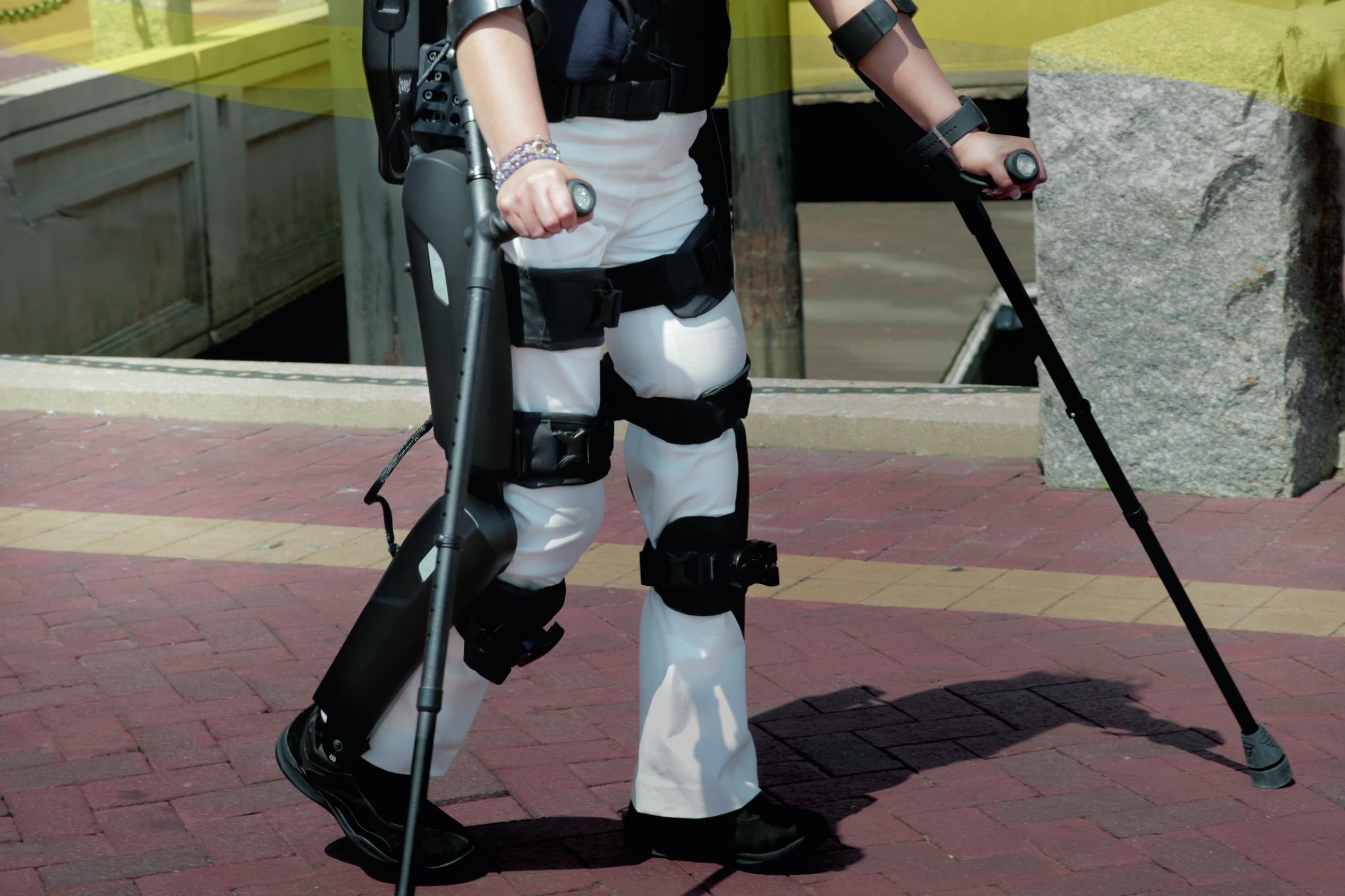
The company produces exoskeletons for personal and commercial use in rehabilitation centers. The lightweight, battery-powered ReWalk Personal 6.0 is a wearable exoskeleton with motors located in the hip and knee joints.
ReWalk says that moving the body stimulates movement resembling the walking of human legs. For example, a Portland (Oregon) police officer was paralyzed while on duty. With the ReWalk exoskeleton, he was able to stand and raise his hand to take the oath during his promotion to sergeant.
Myomo
The Myomo MyoPro orthosis is designed to help those who have experienced paralysis or weakness in their hands and arms due to various conditions. The device reads nerve signals from the skin surface, then activates small motors that assist natural movements of the arms and hands.

Barrett Technology
The company produces articulated arms and hands for various applications and calls them "advanced robotic manipulators." The WAM arm mimics human dexterity. The BarrettHand BH8 series can grasp many different objects. The Burt arm is designed for upper-limb rehabilitation training.
Barrett is part of the assistive robotics market. According to some estimates, the market's capitalization is expected to reach $1 billion by 2025.

Energid Technologies
Energid's Actin SDK software provides advanced real-time motion control. It is used for industrial and consumer robotics applications in industries where speed to market is paramount.
For example, SS Innovations created an "affordable modular robotic surgical system capable of sophisticated motion control" using Energid's Actin control toolkit.

Intuitive Surgical
Intuitive robots are used for minimally invasive surgery. The da Vinci platform is equipped with advanced vision technologies, energy systems and instruments. It has been constantly updated and has been used in millions of operations since the late 1990s.
The newer Ion platform is used for minimally invasive peripheral lung biopsy. A few years ago, the company reported a 20% increase in surgical procedures using da Vinci systems.

TransEnterix
The TransEnterix Senhance surgical system for laparoscopic procedures consists of fully reusable instruments and can integrate with existing technologies. The company claims that time and costs are roughly the same as with manual laparoscopy.

SoftBank Robotics
SoftBank's Pepper, Nao and Romeo robots are sensitive humanoids programmed, among other things, for activity and expression. Entertaining and educational robots accompany patients during mental and physical exercises so that staff can focus on other duties.
The 60-centimeter Nao robot once took part in an experiment with preschoolers in a classroom. When the robot answered all of the children's questions correctly, they interacted with it less than when it occasionally made mistakes. One result of the experiment was "spontaneous learning."

Embodied
A team of engineers, therapists and gamers is creating technologically advanced companion robots that show human care and compassion, improving individual well-being and quality of life.

Harvard Bio-Design Lab
Harvard's Bio-Design Lab is developing so-called "soft wearable robots" that are more comfortable to use. Such robots improve walking efficiency in healthy people and help those with muscle weakness or other physical/neurological disorders.
The lab has also created an exosuit that provides additional strength and is intended for use by soldiers and firefighters who must cross difficult terrain.


