
University of Adelaide Builds Spider Robot to Scan Australian Caves
In southeast South Australia lie the Naracoorte Caves. The national park is listed as a UNESCO World Heritage Site and is known for its stalactites, stalagmites and prehistoric fossils. Recently, a group of students from the University of Adelaide built a robot to carry out a 3D scan of this site.
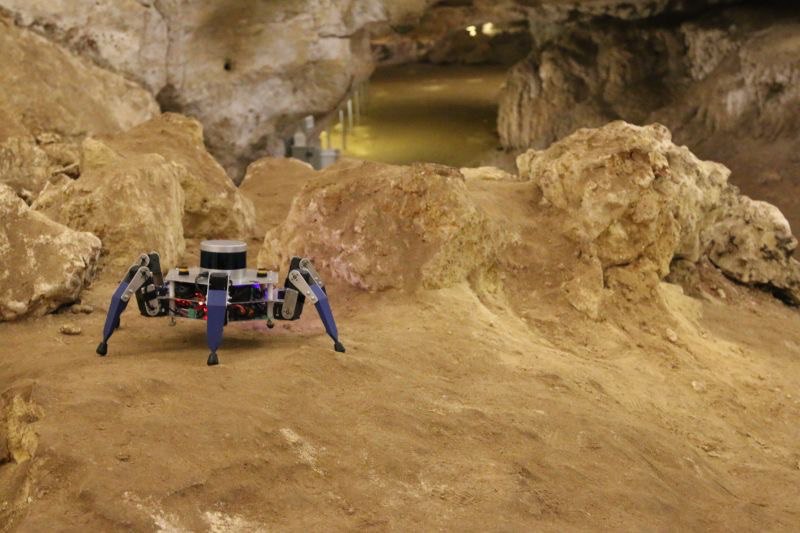
As part of a project called CaveX, the team created 15 versions of the model before settling on the final design. The students chose a robot that walks on six legs, fearing that a device with tracks or wheels would damage the cave surfaces. The design also allowed it to cross rough terrain using different gaits.
As for the 3D scanning itself, there is hope that it will lead to new discoveries in these caves.
“We are exploring the cave surface to find new entrances, which we hope will lead to new fossil deposits. This will help us expand knowledge about the fossil deposits found here”
The team behind the project hopes that a new generation of engineering students will continue work on the robot. In the future, they want to see it use technologies such as artificial intelligence and computer vision to improve its work.
Williams told ABC Australia that while building the model he faced some challenges, such as low passages through which the scanner could not be delivered into the depths of the caves. As a result, there were gaps in the scan data, so the PhD student turned to the engineering department.
Student Matthew King explained how the other students were involved: "We were eagerly looking forward to our project and assembled a team of like-minded people who we thought would work well together, and who made up our five-person team for the CaveX project". Another student, Hayden Lee, said the team had many ideas for building the robot, but they had to be shelved due to the fragility of the caves and ancient fossils.
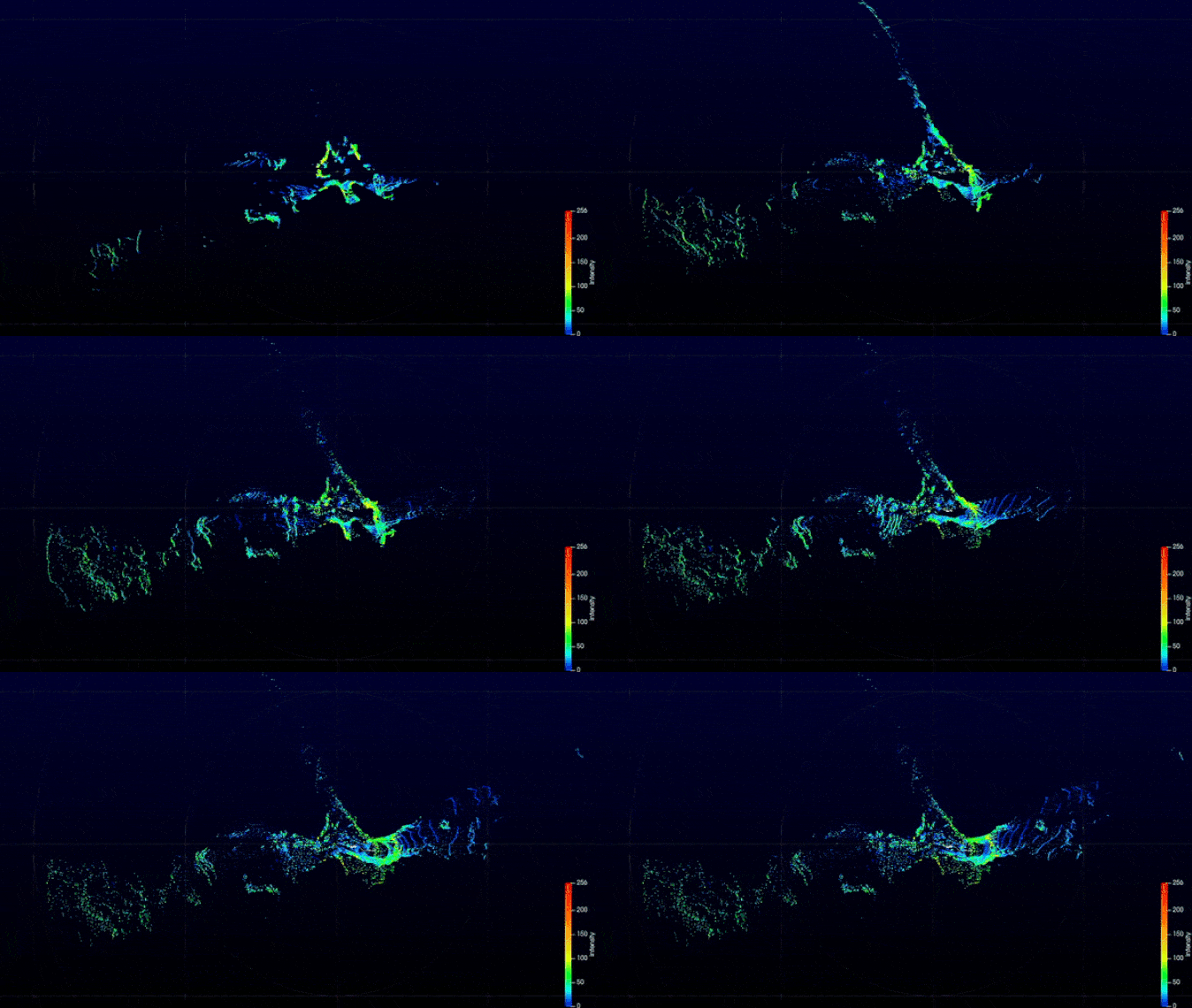
The solution was to take the legs that insects and other creatures use for movement and integrate them into the design. The CaveX team spent the entire weekend in the caves testing the robot. The project participants are happy with how far things have progressed. The device could walk over uneven terrain using different gaits and map the surrounding areas to create an overall picture from several scans joined together.
“These initial images look quite good. They show that we are capturing some of the areas where I was unable to get data”

The CaveX team is trying to understand how these caves formed, how they filled with fossil deposits and the associated fossils. In future mapping missions, the engineers would like to add a camera to identify specific objects to prevent collisions with obstacles. In addition, it is important for the process itself to understand which critical areas should be avoided and what certain formations are made of.
“For me, this is the culmination of six years of study and nine months of joint work! We worked with paleontologists Dr. Liz Reed and Craig Williams at the Naracoorte Caves World Heritage site to fully solve the problem”
The Naracoorte Caves are a national park near the town of Naracoorte in the state of South Australia. Across an area of 6 km², there are 26 caves, with a combined area of 3.05 km². The park is known for a large number of well-preserved fossil remains of animals, in particular many representatives of Australian megafauna, and was listed as a UNESCO World Heritage Site in 1994.

Naracoorte and Riversleigh parks are among the top 10 most important fossil deposits and are an excellent illustration of the main stages of evolution of Australia's unique fauna. The aim of research in the Naracoorte Caves is to expand knowledge and understanding of the natural and cultural values of the caves. This helps in making decisions about preserving the caves and fossils.
Research helps to better understand the values of fossil deposits listed as World Heritage, such as:
- the evolution and development of modern animal communities
- environmental change over the last 500,000 years
- the impact of ice ages on animal populations and communities
- the potential consequences of future climate change for animal populations and communities
- the biology of extinct species, including Australian megafauna
- the timing of the disappearance of Australian megafauna
- the diversity of past animal and plant life in southern Australia


