
Mini Pupper: open-source robot dog that makes robotics easier for schools and hobbyists
Imagine a dog-shaped quadruped robot that can jump and run, supports SLAM with 12 degrees of freedom, ROS (Robot Operating System), navigation and OpenCV AI, while remaining inexpensive.
Mini Pupper is your dream assistant for learning robotics and experimenting with it, exploring advanced features of a dynamic robot that are usually unavailable in this price range.
In June 2021, MangDang released Mini Pupper on the Stanford Pupper website in collaboration with Nathan Kau, the original creator of Stanford Pupper, to bring to market a commercial and affordable educational quadruped robot that everyone could enjoy using for fun robotics research and experiments.
The robot's design is based on feedback the creators received from their customers. Ease of use, assembly and disassembly are the result of valuable user responses that helped the manufacturer improve what ultimately became an owner-focused robot that is easy to understand, explore, learn from and play with, all at a price most people can afford!
Mini Pupper is a dog-shaped robot designed to stimulate and develop your creativity. The company does not even consider the possibility that the project could shut down or stop developing. The robot uses Ubuntu and ROS to manage its FSN (Full Self-Navigation) system. Mini Pupper supports not only Melodic but also Noetic. ROS2 is also under development.
Among the robot's most valuable advantages are several standouts:
- SLAM. MiniPupper supports simultaneous localization and mapping, so it can map its surroundings and learn in real time using a lidar and camera sensor.
- Navigation. Using a map, the robot can answer: "Where am I? Where am I going?", which can be described as self-driving technology.
- Open source. A robot dog with this advantage is suitable for anything its user wants.
Mini Pupper software is compatible with the Robot Operating System (ROS) using a forked version of the Champ Quadrupedal Framework led by Juan Miguel Jimeno. The software stack runs on customized hardware based on the Stanford Pupper project.
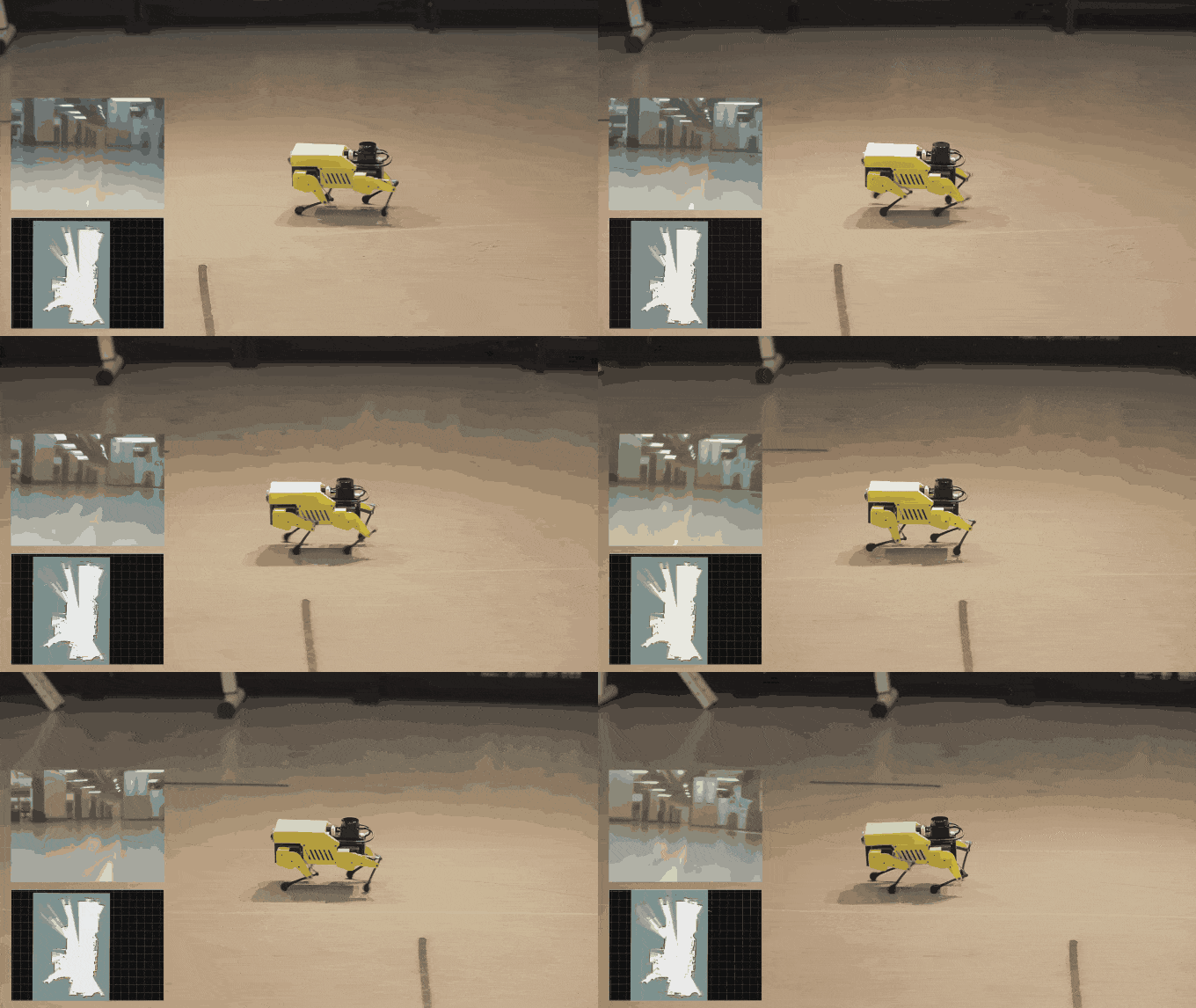
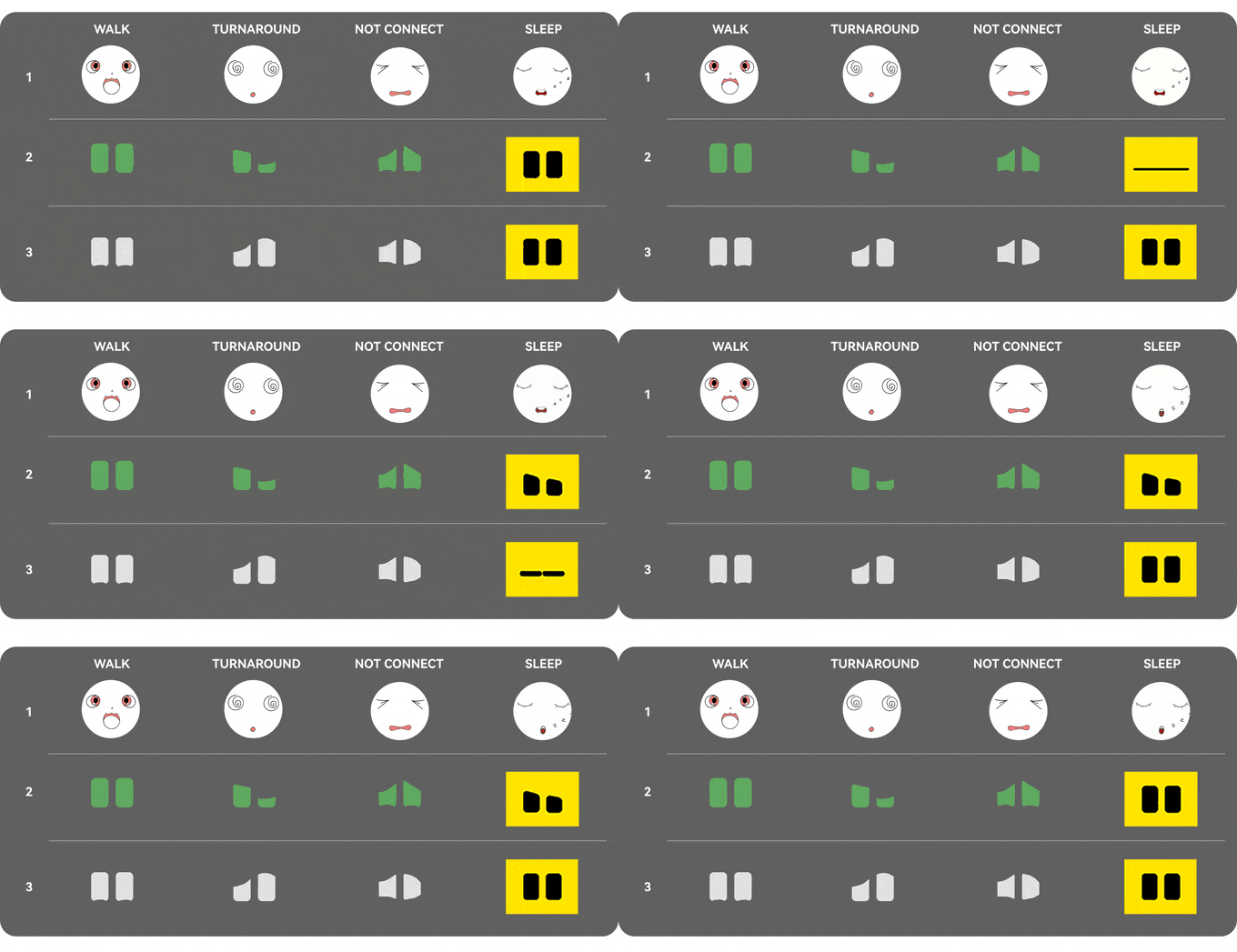
The robot can be used to study many characteristics and gait types, such as trot (diagonal pairs), pace (lateral pairs) and bound (front and rear pairs). Facial animation can be customized, as can the mechanical shell and algorithms. The manufacturer provides every user with enough guides and videos to simplify any task. There are three preset animations that can be modified and new ones created with a single mouse click.
Robotics enthusiasts can build and customize their own unique MiniPupper by hand, one that will stand out from others. The robot supports the latest OpenCV 3D camera module called OAK-D LITE, which brings the superpowers of spatial AI to a price that makes all kinds of applications possible. With this module, Mini Pupper can run face detection, recognition and object detection.
Thanks to the OAK-D LITE vision, the bot has become a smart robotic dog on the level of a border collie. This breed is remarkable because it can learn even very specific hand gestures, and Mini Pupper has this skill too.
The servo drive is a key component of the robot dog. Mini Pupper has special high-torque servos that allow it to move quickly and stably. The engineers wanted the robot to be individual and affordable.
Most bots in this category have eight degrees of freedom, which somewhat limits their movement. After much debate and research, the team created Mini Pupper with 12 degrees of freedom, allowing it to follow biological movements. The bot is based on Raspberry Pi.
Users can use a controller to learn about and explore many features of Mini Pupper. You can also easily configure your own algorithms on a PC. This robot dog offers an amazing journey into robotics for everyone, but it also has to fulfill its main educational mission. The bot aims to help everyone learn about robotics and experiment with this new world in an engaging, playful way.
The company has also organized a whole series of online courses on understanding and learning Mini Pupper, which will turn into a lifelong robotics educational experience.
Founded in 2020, MangDang Technology specializes in researching, developing and manufacturing robots that improve people's lives. Its headquarters are in Hong Kong, but it is a global team with members from many countries, including the USA, Japan, Canada, China and Europe. The new robot dog project appeared on Kickstarter, and it can be purchased through the crowdfunding campaign starting at $255 and up.
The robot is available in several configurations. The most basic one, for $255, is a fully disassembled robot without a Raspberry Pi 4 included, so assembly will require a single-board computer and even a 3D printer. The full kit in the campaign is offered for a minimum of $480, while at retail it will cost $800.
The small bot measures 209x109x165 mm and weighs 560 g. It is equipped with a pair of batteries with a capacity of 1600 mAh each. The company promises to begin shipping robots in November 2021. More than $200,000 has been collected against the requested $10,000.


