
Moxi: the robot that helps reduce the workload of nurses
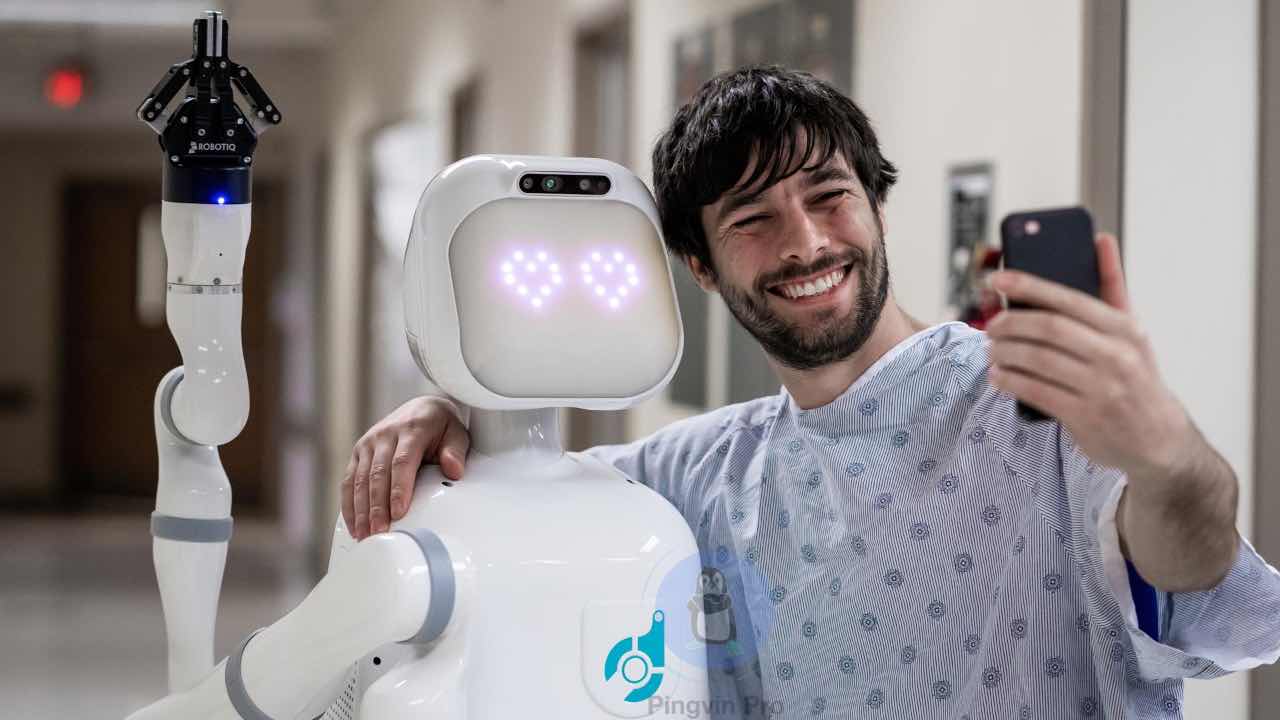
Walking through the halls of Cedars-Sinai hospital in Los Angeles, patients may come across several Moxi — white autonomous mobile robots with heart-shaped glowing eyes.
Moxi's job is to help nurses handle time-consuming but simple tasks so they have more time for more complex work. Nurses at Cedars-Sinai use Moxi to send prescriptions, deliver lab samples and even bring gifts from the gift shop to patients.
“The intention is really to take routine tasks away from frontline healthcare workers so they can focus on caring for our patients. We have already noticed a significant improvement in time and step savings. We track the time Moxi spends on a task, which currently takes less than 30 minutes, and that's great”
Moxi was created by Diligent Robotics. Diligent was founded in 2017 and has been working on Moxi ever since. The robot first appeared at Cedars-Sinai in September 2021, and in its first six weeks alone it saved nurses 483 km of walking. The robot works around the clock.
“We love Moxi. I think Moxi's presence is very important because it not only helps improve workflows and make us more efficient, but it is also fun to watch in the halls. They feel very confident and show the future”
To call Moxi, nurses can simply send a text message or call from a hospital-issued phone. The robot responds within five minutes, providing a status update and an estimated arrival time.
Although Moxi was created to improve hospital efficiency, it also aims to boost morale. The robot uses artificial intelligence, machine learning technologies and social engineering to interact with people. It waves when it sees someone new and even poses for selfies.

“It's nice to say hello, see it wave, and watch it keep going down the hallway wherever you are. It's that small connection. Even though it's a robot, you still feel that it's your friend, your helper. Let's work together”
Moxi can be deployed in a hospital in just a few weeks. It charges automatically and can move through elevators, regular doors and automatic doors.
Burnout in healthcare seems inevitable. Nurses currently face serious physical, mental and emotional challenges in an increasingly overloaded work environment. The average turnover rate for registered nurses in hospitals hovers around 20% during their first year on the job.
Clinical staff spend an average of 30% of their time on non-care activities, such as gathering medications or restocking supplies. Staff may walk up to 13-14 km a day running back and forth to supply rooms, which further distracts them from direct patient care. The five things nurses most wish they had more time for: emotional support, education, care coordination and discharge planning, care planning and timely care.
Due to constant difficulties associated with changing patient living conditions, combined with the tight internal tasks expected in shift-based healthcare work, there is less and less time left for meaningful personal contact with patients. But with the right help, this can change.
"Moxi's purpose as a robot is not to take jobs away from people, but quite the opposite: to support people in their roles. Moxi supports medical staff by taking over logistical tasks that limit precious time for patient care. By performing logistical tasks that medical teams are responsible for, but that do not involve the patient, Moxi creates a more efficient and thoughtful environment that allows for better patient care," the company said.

As a friendly, sensitive and intuitive robot, Moxi not only makes it easier for clinical staff to carry out routine tasks, but does so in a safe and supportive way that helps build positive relationships between people and robots and further enhances the capabilities of clinical staff and their interest in using AI in healthcare.
Designed with a face that visually conveys social cues and can show its intention before moving on to the next task, Moxi is meant to build trust between patients and staff, laying the groundwork for future innovation and partnerships with emerging technologies. Moxi's specific tasks and responsibilities in hospitals will be tailored to the needs of each medical facility.
"We founded Diligent Robotics in 2016 with the goal of changing how people think about technology and how they use it. We believe that unity and harmony between people and AI can change the way we care for one another. We focus on developing robots with social intelligence that work in care-oriented environments, such as hospitals. With robots as reliable team members, we hope to inspire people to use their ingenuity, enthusiasm and skills to tackle bigger challenges," the company said.


