
Why Are Robots Designed to Be So Cute?
People used to think robots had no emotions. Once, Maya Mataric said: "Yes, they don't feel what people feel. But how do people feel? Science doesn't understand that yet." Mataric is a professor of computer science, neuroscience and robotics.
It turns out that the cute appearance of robots is not as out of place as it may seem at first glance. Despite the sensational headlines that robots will soon take people's jobs, friendly robots from movies always stay in our memory.
Attractiveness is an important part of social function. This is exactly what makes likable robots suitable for socially assistive roles. Like robots, people are programmed to respond in certain ways to inputs. Designers and engineers study this to make products more appealing.
A likable robot will encourage a person to practice social skills or take medication on time. Attractiveness motivates people to buy and use consumer robotics. However, it takes a lot of effort to make a robot cute rather than creepy.
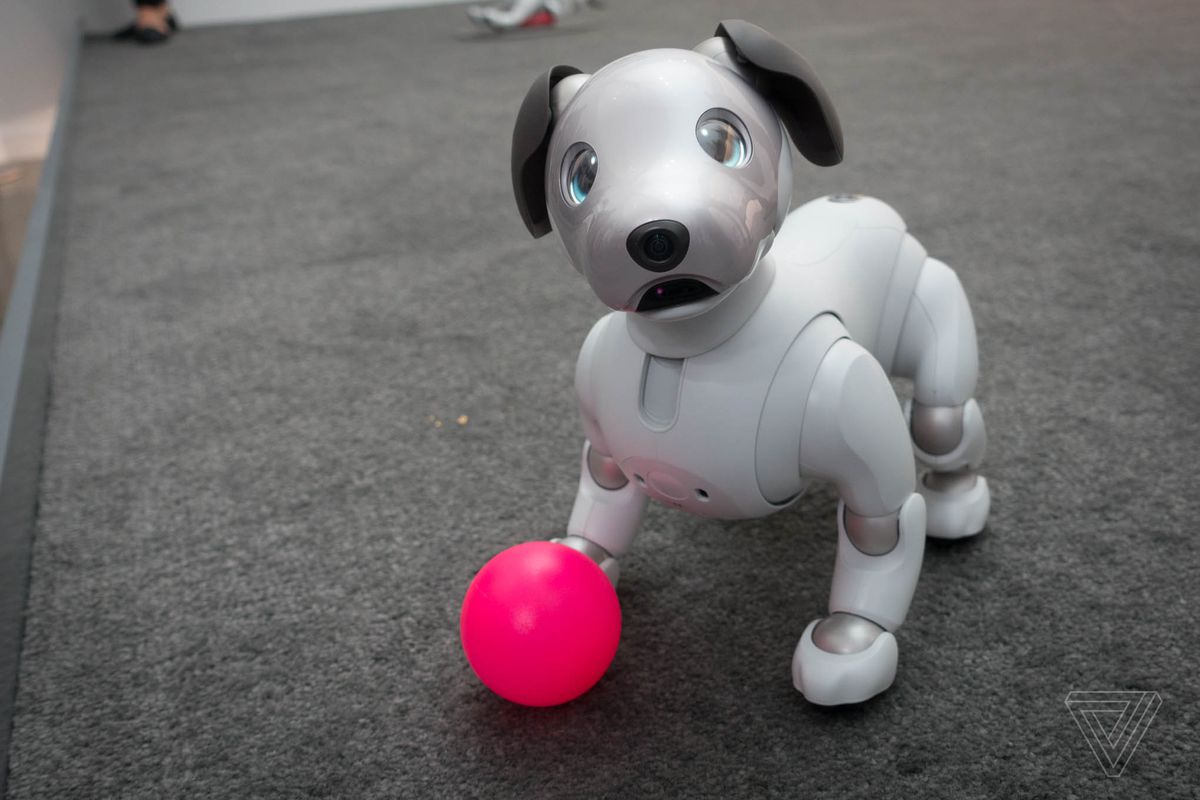
Creating a cute robot means creating a character
For many roboticists, attractiveness is not an issue. A robot performing repetitive tasks needs to focus on avoiding collisions with people, not on winning their affection. Even robots that interact directly with people don't always need to be cute.
To date, research on human-robot interaction is still too new and broad to give any final answer on the optimal appearance of a robot of a given type. So various companies continue to experiment.
For example, there is the Misty robot from Misty Robotics (a Sphero subsidiary). It has a large head and eyes shown on an LCD screen, as well as a large arsenal of movements and sounds to convey emotions. However, in terms of functions, Misty is a blank slate. It was conceived as a platform where developers can create their own use cases.
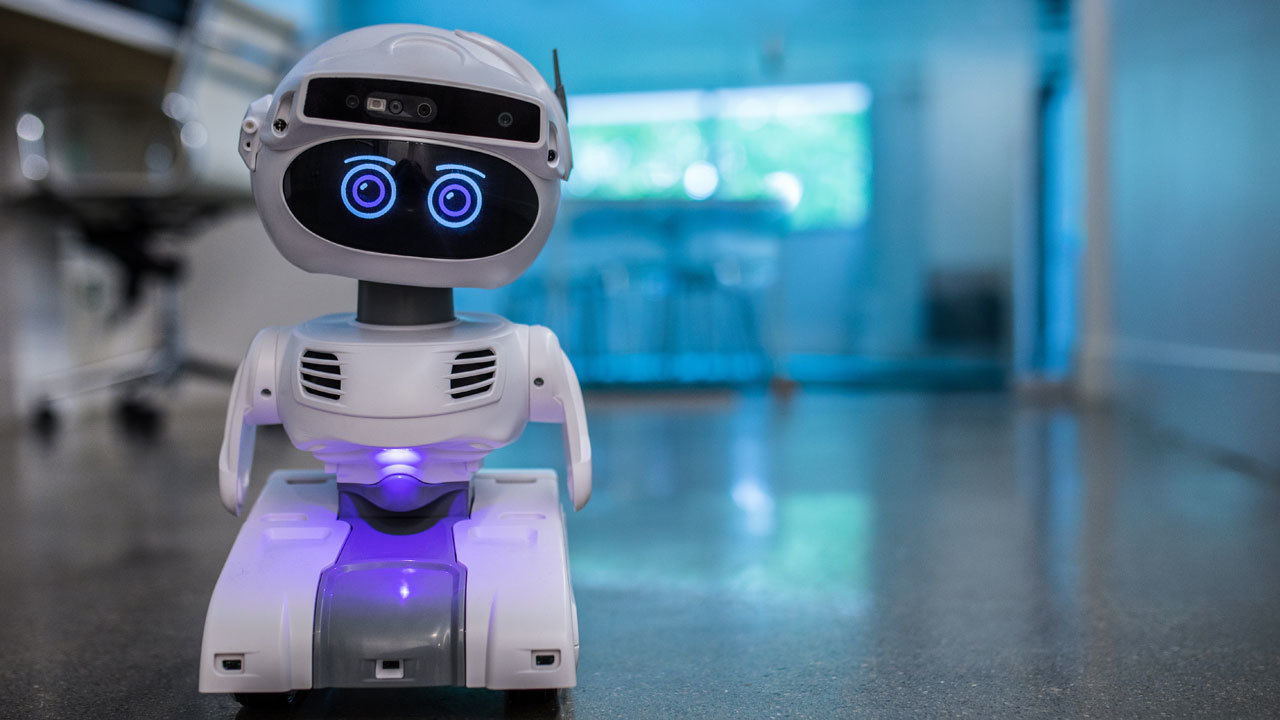
Designers had to make it versatile enough to fit into any environment, and also appealing. At the same time, after using Misty, many other robots seem scary and repulsive. To create a cute little robot, the company turned to unexpected consultants: illustrator artists.
The artists explained which features are most important for conveying emotion. One of these turned out to be eyebrows. The 35-centimeter Misty is specifically designed to be small so users can easily fit it into carry-on luggage.
One of the most noticeable changes to the robot was adding a third head position. Previously Misty could only look left and right, but adding a curious sideways tilt was a good idea. Small Misty conveys seven basic emotions through eye and eyebrow positions, head and body posture, and sounds.
Creating a cute robot means thinking outside the box
Many people don't even notice how they talk to their car or yell at a vending machine. It turns out people are very good at interacting emotionally with inanimate objects, even if they don't look appealing.
In 1944, several psychologists ran an experiment: 34 students watched a video in which two triangles and a circle moved into and out of a rectangle. After the experiment, only one student described the objects in the video as geometric shapes. The others described them as people or animals, and explained their behavior in terms of desires and emotions.
Modern robotics consumers think big blinking eyes are great, but even small details can make a robot likable. For example, the Gita robot from Piaggio Fast Forward stands no taller than a person's knee. It carries its owner's things and follows her on walks.

Gita itself is a round box on tracks, resembling a suitcase more than a character. However, people often perceive the robot as a true companion. Gita has a special feature: when a person gets too far ahead, it accelerates to its maximum speed (9.6 km/h) and leans backward while moving, to show that it is trying hard to catch up with its owner.
The CEO of the company that developed Gita said: "There was a six-month period when our designers pulled the eyes off Gita's prototypes every morning. It was a total design war with the roboticists. They really thought Gita needed eyes that could blink and look around."
Instead of eyes, the team ultimately decided to display Gita's vision sensors for everyone to see. The end result makes the robot look like a many-eyed alien, but it still remains cute. The main goal is for people to forget it's there and enjoy their walk.
Robots reflect their users and their creators
Every detail of a robot is the result of months of imagination and often debate. Users fill in the gaps themselves and attribute emotions and personality to machines that carry our things or greet guests.
Some robots are far from cute, and many are even frightening. People still fear that they will take their jobs, forge signatures and travel back in time to 1984 to kill Sarah Connor.
Maya Mataric believes: "What robots are and what they can become is limited only by our imagination and ingenuity. Ultimately, however, robots will be what their designers and engineers make them. For better or worse, robots are our reflection."


